Data Center Construction in Durant, Oklahoma
Freeway frontage along U.S. 69/75 and a pair of railroads in the middle of town give Durant a practical advantage for a data center builder: equipment arrives by whichever mode suits its weight, and the finished facility is easy to reach for service. We build shells, mission-critical slabs, generator yards and cooling plants for operators looking at southeast Oklahoma, and in Bryan County we start by sorting which parcels actually have a path to power, fiber and a legal approval.
U.S. 69/75 is a divided freeway that passes through western and northern Durant, and U.S. 70 enters the city from the east as Mulberry Street. The Union Pacific Railroad and the Kiamichi Railroad intersect downtown, and Durant is described as a major railroad center. Those facts translate into a short list of questions for us: where the rail crossings limit heavy haul, where the freeway ramps give a safe truck entrance, and where noise or lighting from a generator yard will meet a neighbor.
Durant also hosts large institutional users, including a state university and the headquarters of a tribal nation, and those users change what a data center project here can look like. They are discussed below along with the practical work of building.
Concrete, steel and the long equipment pads
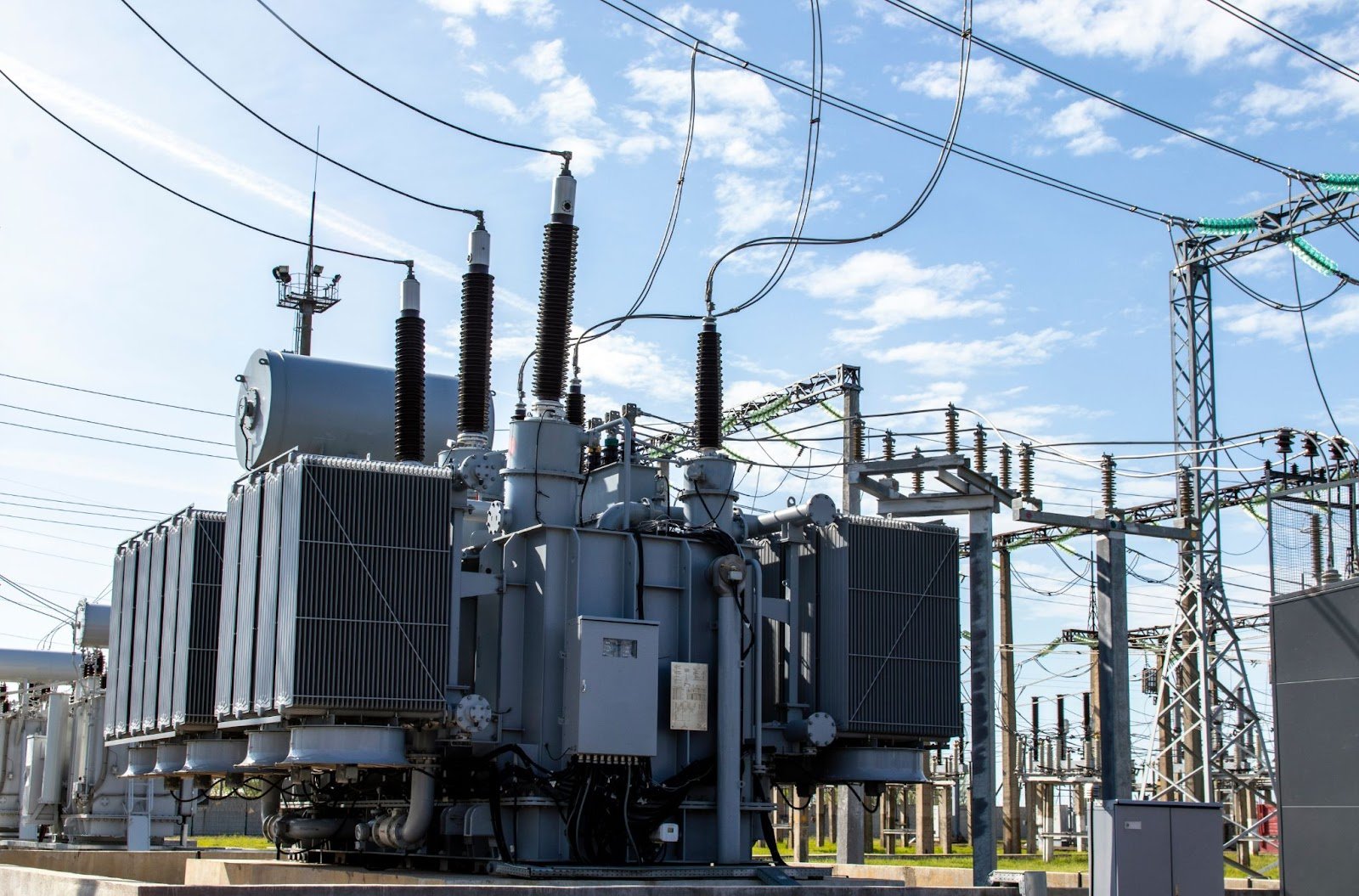
We manage the structural concrete: the footings, the data hall slab with its flatness and moisture requirements, and the heavy pads for generators, switchgear and chillers. A mission-critical slab has a longer list of requirements than a warehouse floor, including embedded conduit, trench drains where cooling water is present, sealed surfaces that do not shed dust, and tolerance for the rolling loads of battery cabinets and racks.
We erect the building envelope using tilt-wall, precast or insulated metal panels depending on the owner's standards and the lead times of each system. Our tilt-wall and precast data center shells page explains how the choice affects schedule and fire rating, and we coordinate with the mechanical and electrical contractors so penetrations are cut once, in the right place.
A southeast Oklahoma service map
From Durant we serve the Bryan County market and the neighboring communities in the southern part of the state. For operators comparing options, Ardmore to the west offers rail-served airpark land, and Ada to the north brings a different set of employers and tribal partners. We will price either one beside Durant, because the right site depends more on the utility than the town.
The area is not rich in fiber the way a metro is, so we usually map the nearest carrier routes before design. Our fiber and telecom trenching scope covers opening the trench, installing conduit and handholes, and leaving the carrier a clean path, and for diverse routing we lay out two entries from opposite sides of the property wherever the right-of-way allows.
Approvals when a tribal nation and a city both matter
A project in Durant may involve city permits, county road access, state agencies and, where the parcel or partnership calls for it, a tribal government with its own review process. The Choctaw Nation of Oklahoma lists a Durant headquarters and describes over 225,000 tribal members and 12,000-plus associates, and its role as an employer and as a developer makes it a partner on many projects in the region. We do not assume jurisdiction; we ask the owner and the city which governments hold which approvals.
Statewide, the Oklahoma Uniform Building Code Commission sets minimum codes that cities adopt with amendments, and the state has adopted newer International Codes. Because general contractors need no state license but trade licenses do apply, we verify the licensing of every electrical, mechanical and plumbing subcontractor before work begins and keep their credentials on file for the owner. If the operator's own standards are stricter than the code, for example for fire-stopping, seismic bracing of electrical gear or dust control during slab finishing, we write the stricter rule into the subcontract so every trade is bound by the same document.
Workforce, enrollment and the pull of a campus
Southeastern Oklahoma State University reports a total enrollment of 5,851 for Fall 2024, which gives the area a steady pipeline of technicians and graduates. A university that trains in computing, technology and the trades is a long-term benefit for an operator, because a data center needs electricians, controls technicians and facilities staff for as long as the building runs, well after the builder has left.
We recommend owners talk with the school about internships and training agreements during construction, not after. Our commissioning schedule sometimes includes a day for local technicians to walk the finished plant, and our government and defense operators page explains the added security steps for public sector tenants who may also lease space in a facility like this.
Airport, runways and weather windows
Durant Regional-Eaker Field has an asphalt runway listed at 6,800 feet long and 100 feet wide. If a parcel lies near the field, crane and lighting review should be part of the first month. We also plan around the weather: the National Weather Service Norman office lists an F4 tornado on April 2, 1957 through Calera, Durant and north of Durant, and an F3 tornado on May 23, 1981 that crossed the west edge of the city, so spring erection windows carry risk we price into the schedule.
On a typical Durant project we stage the shell in two bursts of slab work and panel erection separated by a weather float, and we hold the electrical gear delivery until the roof is dry. The fast-track scheduling approach we use for compressed timelines can pull the slab and underground work forward without compromising inspection hold points.
Planning in Bryan County?
Share the parcel, the load and the partners involved. We will respond with a feasibility outline, a utility checklist and a phase plan.
Common Questions
Can heavy equipment reach a Durant site by rail?
Two railroads cross downtown, and rail-served lots may be possible, but each spur depends on the parcel and the railroad's agreement. Many owners use truck delivery from U.S. 69/75 and reserve rail for particularly heavy or oversized pieces. We study both options during feasibility.
Does a tribal partner change the permitting path?
It can. Depending on land status and ownership, some approvals may come from a tribal government rather than, or in addition to, the city and county. We ask early who holds jurisdiction and who must sign each document, and we write the answer into the schedule.
How does the nearby airport affect height and lighting?
Durant Regional-Eaker Field is a regional airport with a 6,800-foot runway, and parcels near it may need review for crane height and exterior lighting. We raise the question during site selection so the structure and the crane plan are cleared before design.
What is the schedule risk from spring storms?
The record includes significant tornadoes in the area, so we plan shell erection with a weather float, keep shelter and stop-work plans active and brace walls and roof framing as they go up. We prefer to finish the roof diaphragm early and bring equipment in afterward.
How do you handle fiber in a smaller market?
We identify the nearest carrier routes, request route maps and construct dual entries wherever the right-of-way permits. If a carrier cannot meet the schedule, we price a private lateral so the owner can decide whether to wait.
Plan Your Oklahoma Data Center Project
Tell us about the site, the power and cooling plan and the schedule, and we will set up a review of scope, schedule, permits and inspections.
Request a Project Review