Data Center Construction in Yukon, Oklahoma
An edge or enterprise data center west of Oklahoma City needs three things from its site: a short, diverse fiber path into the metro, truck access that does not depend on city streets, and room for a generator yard that the neighbors will tolerate. Yukon offers a workable version of all three. The town sits just north of Interstate 40, the John Kilpatrick Turnpike passes just east of the city limits and meets I-40 at a full interchange, and Route 66 and State Highways 4 and 92 cross town.
We build compact data halls, electrical buildings, generator and fuel yards and cooling pads for owners who want those highway connections without the cost and congestion of the central city. We manage the concrete, steel and underground work, and we bring the utility and the city into the plan before the site is graded.
Why the interstate matters more than the street grid
The Greater Oklahoma City Chamber reports 55,200 vehicles per day in the trade area at I-40 and Garth Brooks Boulevard, and describes retail sites available at that interchange. That traffic count is a retail statistic, but it also tells a data center owner something useful: the interchange is busy, which means utilities, fiber and roadway capacity are already concentrated nearby. The Kilpatrick extension to I-40 was completed in 2001, so the interchange has had years to build out its infrastructure.
For heavy equipment, the benefit is simple. Transformers, generators and chillers move on the interstate to the nearest interchange and then a short local route. We still check each local road for weight limits, overhead lines and bridges, but the haul is shorter than the one a rural parcel faces. Compare this with the south side, where our Mustang page describes a different set of state routes.
Edge, enterprise and small colocation suites
Yukon's scale suits edge data centers, which are compact buildings, often under a single roof, that put compute near users and networks. An edge site here might serve retail traffic, a school district, a health clinic network or a carrier that needs a regional node. Owners usually want quick delivery, an unobtrusive building and a predictable utility bill.
We also build small enterprise rooms and colocation suites inside larger commercial buildings. In those cases the work is mostly interior: structural reinforcement for racks and batteries, dedicated electrical feeds, cooling plant space on the roof or in a yard, and security zoning. We treat those jobs like a miniature data center, with the same commissioning discipline and the same attention to dust.
What we build on a Yukon parcel
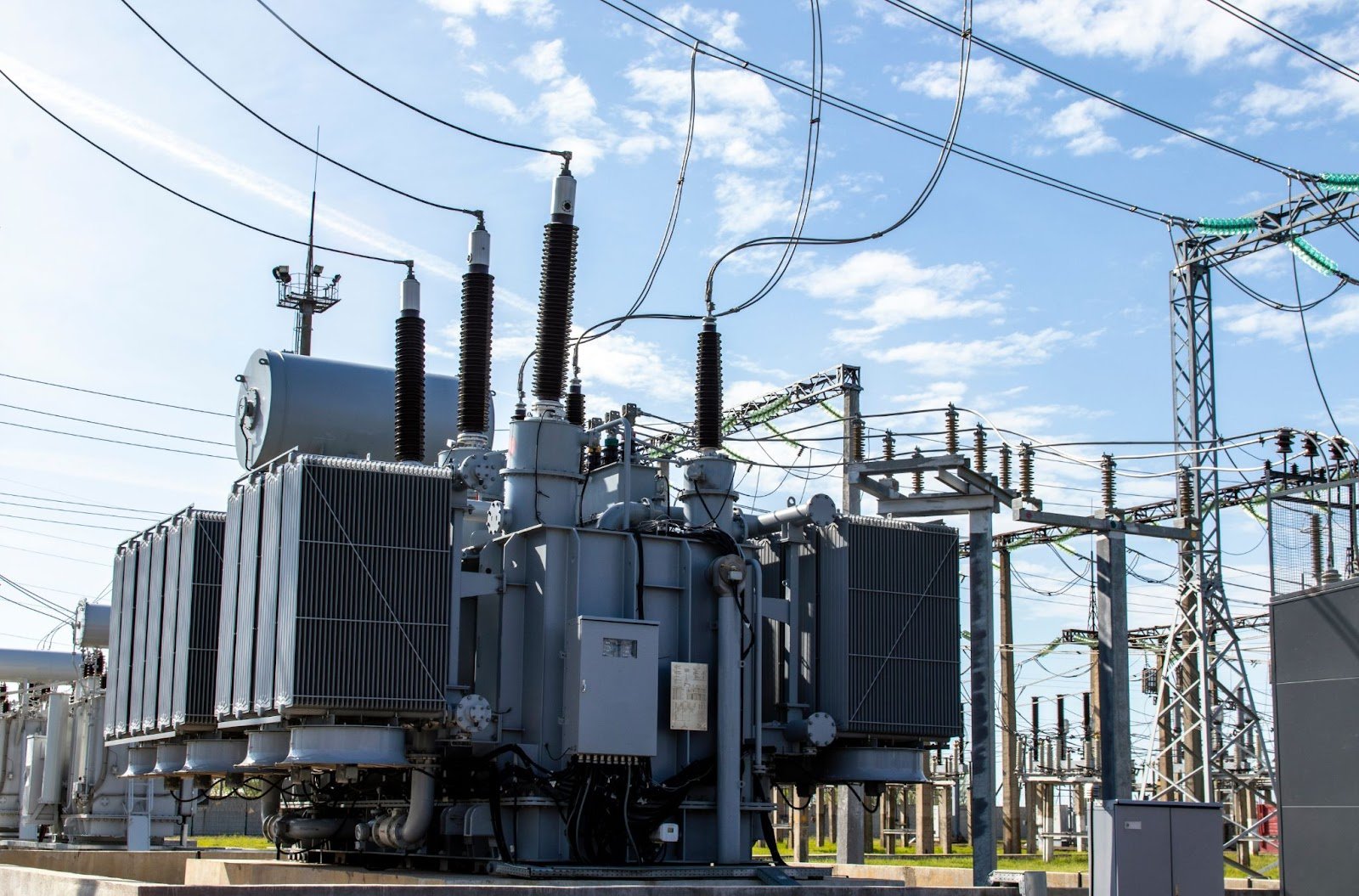
A typical scope starts with a pad and a utility service. We manage grading and compacting the building area, underground power and fiber conduits, and the footings, slab and any precast or tilt-wall panels. The generator yard gets its own slab with containment for fuel, and the cooling plant gets pads sized to the equipment weight and the vibration limits of the manufacturer.
Inside, we install the electrical rooms, the mechanical rooms and the data hall shell, then coordinate with the owner's vendors on racks, containment, power distribution and monitoring. The edge data center construction page describes how we keep these projects compact. For fiber work, our fiber and telecom trenching scope places diverse entrance paths so that a single backhoe cut does not isolate the building.
Permitting in a growing western suburb
Yukon sits in Canadian County at the western edge of the metro, so projects may involve both city and county reviewers, plus the transportation department where a driveway meets a state highway. Route 66 and State Highways 4 and 92 all cross the area, and access permits on state routes take time. We start those applications during site selection, not after the building design is complete.
The state adopted newer International Codes, while the state-adopted NEC applies; local editions can lag, so we confirm what governs the permit date. Utility interconnection is the other long item, and we cover it in permitting and utility interconnection.
A realistic sequence for a west-side edge site
Compact buildings can move quickly, but the order of work still matters. We begin with utilities and permits while the design is finishing: the electric service request, the fiber route survey and the highway access permit are all submitted in the first weeks. Grading and underground work follow, then foundations, slab and the shell. Generators and cooling equipment are ordered at the start because they are the longest items, and the owner's racks and switchgear arrive after the building is closed and cleaned.
That sequence leaves the commissioning window at the end where it belongs. For a generator yard and fuel system, commissioning includes load-bank testing, transfer switch checks and fuel quality checks, each witnessed and documented. We tell owners early how many days that takes, so an opening date is not promised before the tests are done.
Who uses an edge node on the west side
The operators who ask us about the I-40 corridor tend to be carriers, regional service providers and enterprises with branch networks. Telecom and network carriers value a building that is close to the highway fiber route and can host cabinets, power plant and a small meet-me space. Enterprises want a secondary site that is a short drive from headquarters. Both groups benefit from a builder who treats a small building with the same rigor as a large one.
We also hear from developers who want a pad-ready site that a tenant can finish. In that case we build the shell, the utility service and the yard, and leave the interior for the tenant's vendors, with all of the structural provisions in place. Owners who want to compare this corridor with the city core can read how we work in Oklahoma City.
Evaluating a west-side parcel?
Send the parcel and the load. We will check the roads, utilities and permits and tell you what the site can realistically hold.
Common Questions
Is Yukon a good location for an edge data center?
It can be, because it sits on I-40 near the Kilpatrick Turnpike interchange and has strong roadway access to the metro. The deciding factors are the available electric capacity, the fiber routes passing the parcel and local zoning. We check those items before design starts.
Which highways will a project near Yukon use for deliveries?
Most heavy loads arrive on I-40 and exit at the nearest interchange. Route 66 and State Highways 4 and 92 cross the town and may carry local traffic. We confirm weight limits and turning radii on each last-mile route.
Do you handle driveway permits on state highways?
We prepare and submit the access applications as part of the permitting scope and coordinate with the transportation department. These reviews can be slow, so we start them early.
Can you fit a generator yard on a small lot?
Often yes, with careful layout. Fuel storage rules, noise limits and setbacks decide the size, and we can use sound-attenuated enclosures or screen walls. We test layouts against local rules before the owner commits to a parcel.
Plan Your Oklahoma Data Center Project
Tell us about the site, the power and cooling plan and the schedule, and we will set up a review of scope, schedule, permits and inspections.
Request a Project Review