Generator and Fuel Yard Construction in Oklahoma
Fuel tanks do not belong in a creek bottom, and a generator yard is the part of a data center most likely to find one. The yard holds the engine generators, day tanks, bulk storage, fuel piping, exhaust, and the paralleling gear or switchgear that lets the site ride through a utility outage. It must start on demand, run for as long as the owner has designed for, and not contaminate the ground it stands on.
Oklahoma presents three site hazards that bear directly on that yard. Floods have put entire towns under water: the Memorial Day flood of 1984 killed 14 people in Tulsa and caused $180 million in damage, with Mingo Creek alone responsible for $125 million, and in May 2019 river flooding at Muskogee rose more than 42 feet, the highest water since the 1943 flood. Tornadoes average 59.4 per year, with May the peak month. And earthquakes have occurred, including the 2016 Pawnee event at magnitude 5.8 and the 2011 Prague event at magnitude 5.7.
We build generator and fuel yards with those hazards in mind. That means raised pads, protected fuel piping, structural bases designed for seismic and wind loads, and layouts that let a technician refuel or repair a unit in bad weather. The details are different on every site, and we start with a site walk and the flood map.
Elevation and drainage first
The yard's elevation and drainage are set before anything else. We obtain the mapped flood zone, review local flood history, and talk to the county floodplain administrator. Where the site is near a river, the best choice is to place the yard outside the regulatory floodplain. At Muskogee, a port site acquired in 2025 includes 81 bordering acres of riverfront property outside the regulatory floodplain, which is the kind of parcel where a fuel yard has options.
Where the yard cannot avoid risk, we raise the pad, protect fuel and electrical connections above expected water levels, and install containment that handles both a spill and a flood. Stormwater from the yard is routed through oil separation before discharge, and our stormwater and detention scope handles that design.
Fuel handling and containment
Diesel storage is regulated for fire, spill and leak detection. Tanks may be above ground or below ground, double-walled, with leak detection, overfill protection and secondary containment. We follow the owner's engineer and the fire marshal's rules, and we require hot work permits, grounding and bonding during fuel system work.
Fuel delivery is a safety issue as well. The yard needs a truck pad with spill containment, an emergency shutoff and a clear route for tankers. The shutoff and the camera view of the pad are coordinated with the administration and security building, so the guard on duty can see a problem and act on it. The Ponca City Refinery in Kay County lists crude throughput capacity of 228 thousand barrels per day, a sign that refined products move through the region in volume, and owners should confirm supply contracts and refill times with the fuel supplier before they set tank size.
Fire code, air permits and local review
The City of Sapulpa's adopted-code notice lists the International Fire Code, Mechanical Code and Fuel Gas Code adopted by the state, and notes that cities adopt their own versions with state appendices and amendments. The state commission has since adopted newer editions. That gap means the fire code edition on your permit depends on the city and the date of application.
Generators typically need an air permit because they burn diesel. The permit depends on the engine size and the hours of operation, and testing hours are usually restricted. We help the owner prepare the application with the engineer, and we coordinate with permitting and utility interconnection so the generator permit does not delay the utility connection.
What we build in the yard
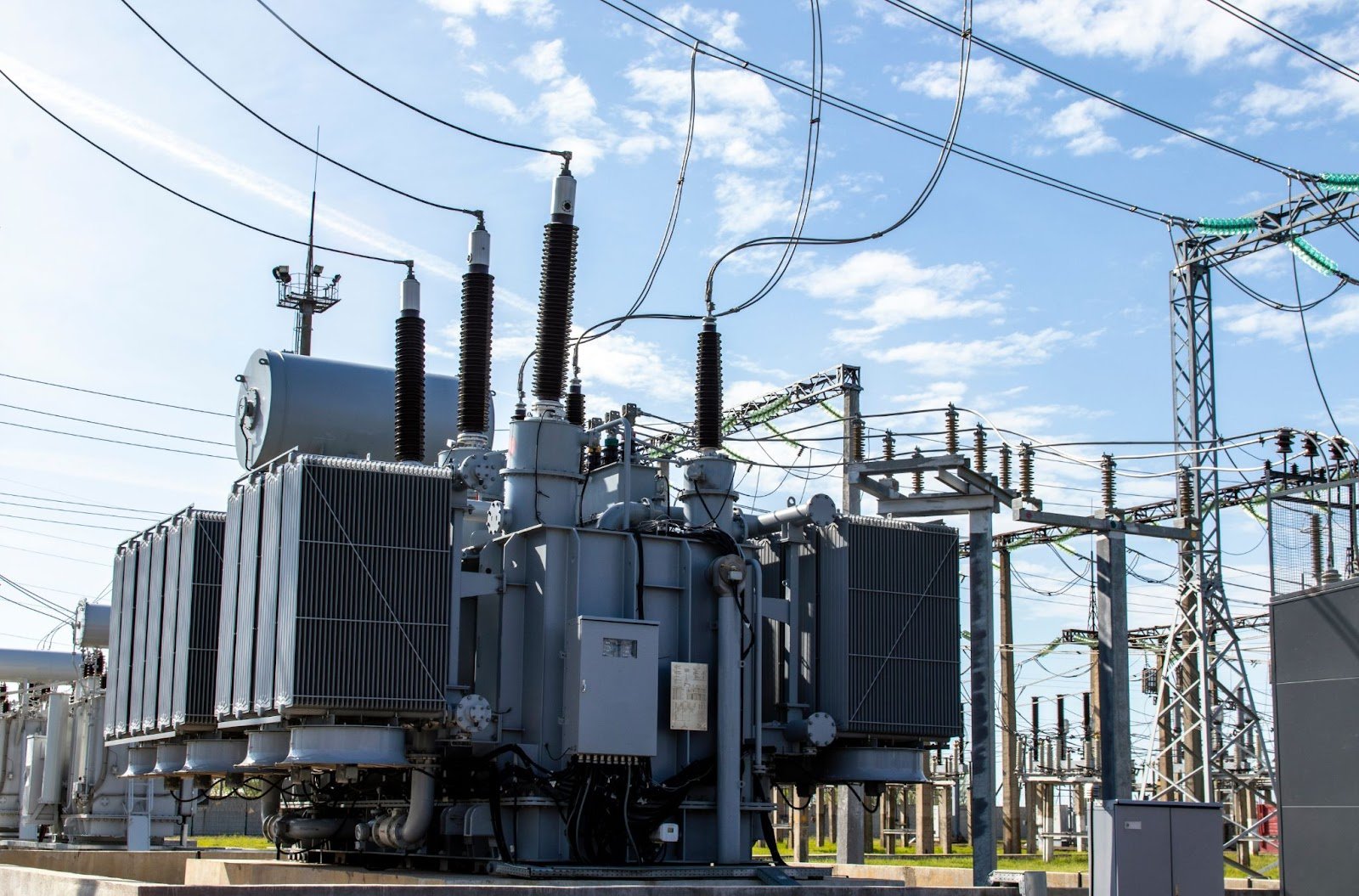
Our scope starts with the generator pads or skid bases, a concrete slab with anchor bolts cast in to the engine manufacturer's template. We install fuel piping, day tanks, bulk tanks, load banks connections, and the duct banks that carry power and controls to the switchgear. We set the generator enclosures, build screening and sound walls where required, and install lighting and security.
The generator yards and fuel systems service is the full path from civil to commissioning. The yard also serves the battery energy storage yard in designs where batteries bridge a short outage and generators carry the long one.
Testing and handover
Generators are manufactured to order, and delivery times are measured in months, not weeks. We place the foundations and underground work early so the yard is ready on delivery. After the units are set, we connect fuel, exhaust and controls, then run no-load, step-load and full-load tests with a load bank.
A black-start test, where the utility feed is opened and the site runs on generator power, is a part of integrated systems commissioning. We schedule that test with the owner's operations team so it happens when the risk is manageable. The tornado season has to be considered, since a test during a storm warning is not a good idea.
Cost drivers specific to fuel systems
The main drivers are the number and size of generators, the storage duration, the fuel system type and the redundancy. Longer runtimes require more storage, more tank farm area and more containment. Seismic and wind design increases the structural cost of the pads and the supports. An enclosure adds cost but reduces the weather exposure.
The cost of the site matters, too. A yard in a floodplain costs more to build and insure than one on high ground. Owners working with government and defense operators may also require hardened enclosures and additional security, which we price separately.
Send the generator schedule and the flood map
Share the generator count and size, the runtime target and the site's flood map. We will respond with a yard layout, a containment approach and a list of permits.
Common Questions
How many hours of fuel should a data center store?
That is the owner's decision, based on the tier and the risk of long outages. Longer runtimes mean more tanks and more refuel logistics. We help compare options but do not set the number.
Can the yard sit in a tornado-prone area?
Yes. Oklahoma sites all share the exposure. We design the pads, anchor bolts and enclosures for the wind loads the engineer specifies and protect fuel piping from debris where practical.
Do generator yards need seismic design in Oklahoma?
Induced earthquakes have occurred, so we design equipment bases and piping supports to the seismic category the engineer sets. The state has recorded events as large as magnitude 5.8.
What happens if the fuel delivery route is flooded?
Plan for it. Owners keep supply contracts with more than one distributor and choose tank sizes that allow several days of operation. Elevation of the yard and of the access road matters.
Will you maintain the generators after handover?
No, maintenance is done by the generator vendor or the owner's staff. We supply the closeout documentation and the test records.
Plan Your Oklahoma Data Center Project
Tell us about the site, the power and cooling plan and the schedule, and we will set up a review of scope, schedule, permits and inspections.
Request a Project Review