Data Center Construction in Catoosa, Oklahoma
A data center operator choosing a site near Tulsa wants a parcel that fiber can reach from more than one direction and that heavy equipment can reach without a detour. In Catoosa, we plan shells, generator yards and cooling plants around those two tests first, then work through power and water with the utility and the county.
The port district gives the area unusual choices for moving freight. The Tulsa-Rogers County Port Authority received a gift from PSO in October 2019: over 2,000 acres at the utility's Inola River-Rail location, reachable by barge and by rail, set aside for economic development. For a builder, that kind of ground means transformers, switchgear and chillers can arrive by water or rail and be set close to the pad that will carry them.
We act as the coordinator for the owner: we schedule, supervise and inspect the concrete, steel, electrical and site trade partners, and we manage the utility and carrier requests that decide when the building can be energized.
What we coordinate on a Catoosa campus
Our scope starts with site selection support and runs through commissioning coordination. We organize grading and drainage with the geotechnical engineer, then line up the concrete trade partner for the mission-critical slab, the steel erector for the shell and the electrical contractor for duct banks and service entrances.
Connectivity belongs in the first set of drawings. We lay out fiber and telecom trenching so that two physically separate entrances reach the building, and we ask each carrier for its handoff point and lead time before the slab is poured, not after. A lot with one good road and one good fiber path still needs a second of each, because a single cut or a single closed bridge should not isolate the building from its carriers or its service vendors.
Sequencing deliveries by barge, rail and truck
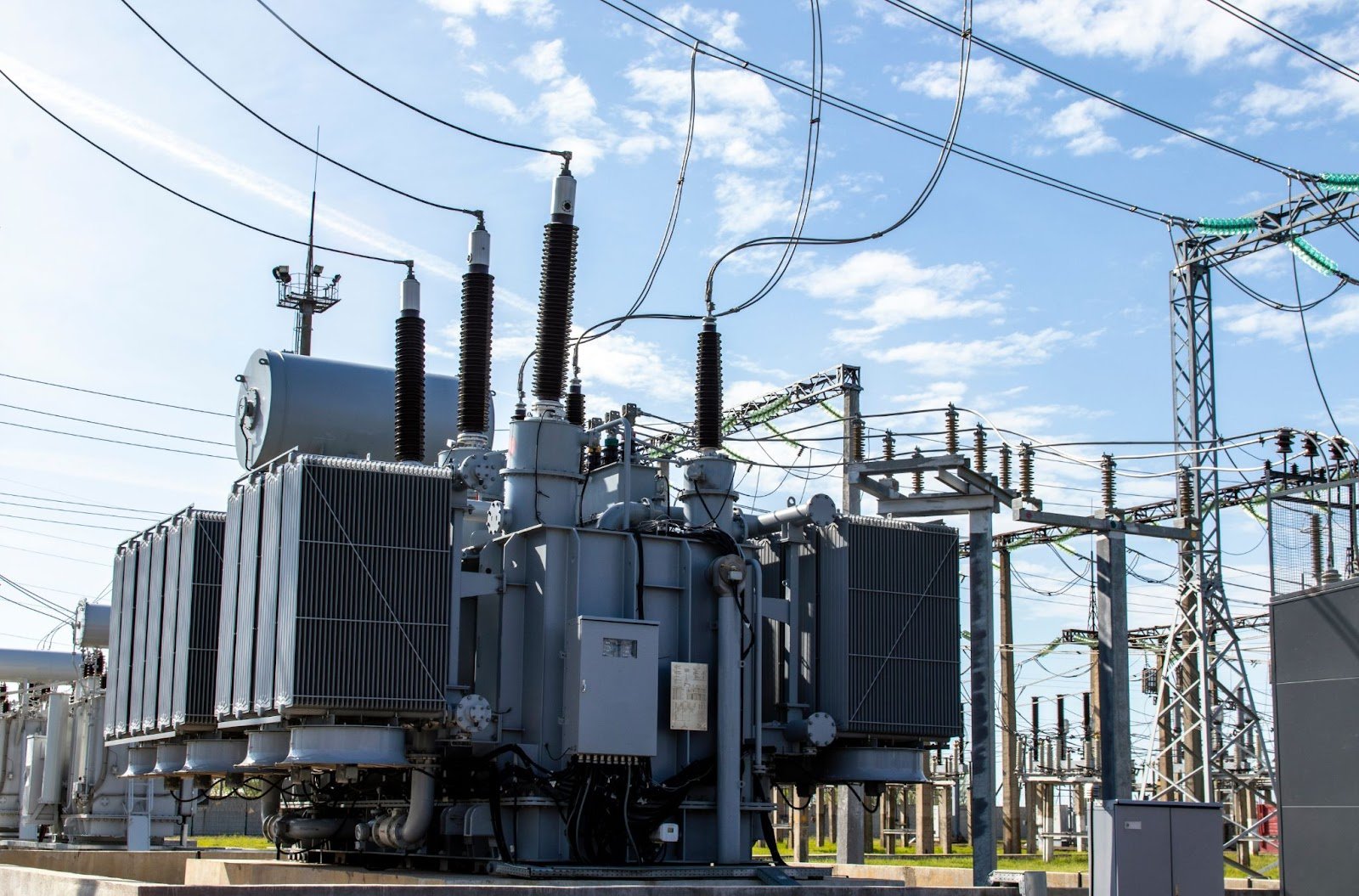
Long-lead gear sets the calendar on a data center, and the port gives us more than one way to receive it. A transformer that is too heavy for a public road can be planned for rail or barge, with a lift plan, a laydown area and a pad that is already cured when it arrives.
We tie each delivery to a pour or an erection date on one schedule, and we use long-lead equipment procurement to track release dates for switchgear, generators and chillers. When a manufacturer slips, the schedule shows exactly what moves with it, and the owner hears about it the same day, along with options such as resequencing the shell or accepting a later energization date.
Rail, Route 66 and a port with working tenants
A railroad connects Catoosa with Tulsa by way of Owasso and continues to points north, and the town sits on historic Route 66 about 14 miles northeast of Tulsa. That puts a rail line, an arterial road and the metro labor pool inside one short radius.
Mecad USA revealed plans in February 2026 for its headquarters and a 32,000 square-foot plant at the Port of Catoosa, priced at an estimated $13.4 million and projected to bring 300 jobs. New industrial neighbors tend to ask the utility for capacity of their own, so we study the feeder situation early and compare notes with work in Owasso and Tulsa.
Facilities that fit the port district
The most natural fit here is a colocation data center or an edge facility that needs carrier diversity and a metro location without metro land prices. A larger campus can follow on acreage with its own utility corridor, built one phase at a time.
We also build the support structures that go with them: a generator and fuel yard, a security and administration building, and a battery storage yard when the owner wants one on site. Each is permitted and inspected as part of the same program, so the operator receives one coordinated set of records, including as-built drawings for the fiber entrances, the fuel system and the electrical rooms.
Working safely near water, rail and heavy lifts
A site near a navigable waterway and a railroad has hazards that an inland parcel does not. We write the site safety plan around crane swing, rail clearance, stormwater and flood exposure, and we require each trade partner to submit its own plan before it mobilizes.
Inside the building, we keep dust and debris away from energized rooms and test areas, and we control access to rooms once breakers are closed so that only qualified people work near live equipment. Permit drawings go to the local building department for review, and we meet its inspectors as work progresses so that findings are handled while the area is still accessible.
Services that usually travel together
A Catoosa project typically combines electrical duct banks and service entrances, stormwater detention and a truck court sized for the largest delivery. We scope them together so that the utility, the drainage design and the road geometry agree with each other.
Once equipment is set, integrated systems commissioning brings power, cooling and controls up in order and records the results for the operator.
Who builds near the port
Colocation and wholesale operators are interested in a metro fiber position at a moderate cost, and they often want shell and core first, with halls added as tenants sign. Telecom and network carriers look for room to land cable and house equipment.
Utilities and power developers also need places to build, and the site work for a substation yard resembles what a data center needs. We work from the owner's program, whichever industry it comes from, and we ask each of them for the same early information: load, delivery dates, access needs and the date they hope to open.
Planning a data center near the Tulsa port?
Send us the parcel, the load and the carriers you want. We will outline the access, power and delivery questions that should be answered first.
Common Questions
How do you evaluate fiber access on a Catoosa parcel?
We ask carriers where their nearest lines run, how many separate entrances can reach the lot, what each handoff costs and how long it takes. A parcel that can only be served from one side gets a more careful look.
Can heavy electrical equipment be delivered by rail or water?
At the port district it can be planned that way. The route has to be matched to a lift plan, a laydown area and a ready pad, and we confirm each of those with the transporter before the delivery date is set.
Who deals with the utility on power?
We prepare load information, submit the service request and track the study and construction steps, working with the owner's electrical engineer. The utility sets its own timeline, and we tell owners what it is likely to be.
Who pours the concrete and erects the steel?
Trade partners do the physical work. We schedule, coordinate, supervise and inspect trade partners for concrete, steel erection, electrical and site work, and we answer to the owner for the whole result.
Is the site too close to Tulsa for a large campus?
Not necessarily. Acreage near the port is large enough to phase a campus in stages, but each stage depends on power and water capacity, so we confirm both before committing to a layout.
Plan Your Oklahoma Data Center Project
Tell us about the site, the power and cooling plan and the schedule, and we will set up a review of scope, schedule, permits and inspections.
Request a Project Review