Long-Lead Equipment Procurement for Data Centers
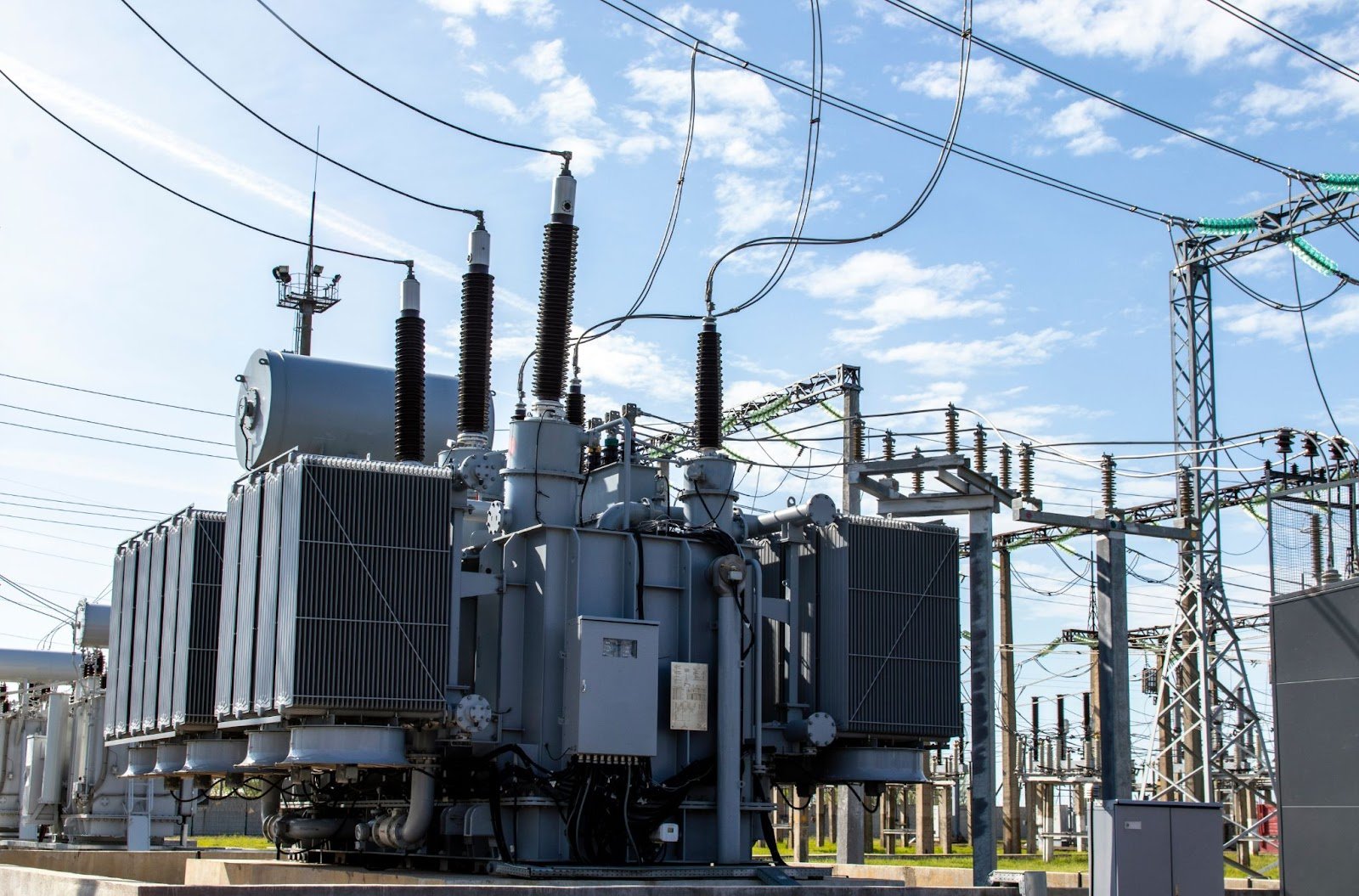
The building can be finished in a year. A large transformer, a bank of generators or a chiller plant can take longer than the building to arrive. That inversion is the single most important fact about data center scheduling, and it explains why owners who wait for drawings to be complete before ordering equipment end up with a finished shell and nothing to put in it.
Long-lead equipment procurement is the discipline of ordering the slowest items first and building everything else around their arrival. The usual suspects are medium-voltage switchgear, power transformers, generators, UPS systems, chillers, cooling towers or dry coolers, and large pumps. Each has a manufacturer queue, a submittal process, a factory test and a shipping plan, and any of them can shift the opening date.
We do not buy the equipment for the owner in most cases. The owner or the owner's engineer selects it, and the purchasing path varies with the contract. What we do is turn the equipment list into a schedule: dates for selection, submittal, approval, release to manufacture, factory acceptance, shipping, delivery and setting. Every date is tied to a construction milestone, so the owner can see exactly how a three-week slip at the factory moves the energization date.
An equipment schedule that drives the project
We start with a procurement log that lists every item with a lead time, a submittal status and a need-by date on site. The need-by date is computed from the construction sequence: when the pad must be ready, when the crane is booked, when the enclosure is closed. Items whose lead time exceeds the available time are flagged red, and we bring options to the owner: place an early order, reserve factory slots, accept an alternate manufacturer, or change the design to use something more available.
Early release is often the answer. An owner can commit to the equipment on the basis of preliminary drawings and complete the details later. The risk is that a design change after release can mean rework or a fee, so we advise the owner on what is safe to freeze. Our design-build teams are well placed to make that call, since the designer and the builder are the same party.
Getting heavy equipment to an Oklahoma site
Delivery is its own problem. A large transformer can weigh hundreds of tons and travels on a special trailer with route restrictions. Oklahoma's freight network offers several ways to get there: the Department of Commerce reports four inland ports, over 2,600 miles of Class I rail, and a channel on the McClellan-Kerr navigation system that the Corps of Engineers is deepening from 9 feet to 12 feet. Port Muskogee describes a 450-acre intermodal complex with 3,000 feet of navigable waterfront and Foreign Trade Zone 164. Equipment that comes by barge or rail will finish on a truck, and the last stretch of road is often the constraint.
We plan the route in detail: bridge ratings, overhead lines, tight turns, permit windows and escorts. A Muskogee-area delivery looks different from a Panhandle delivery, and the plan should reflect it. The site must be ready for the delivery too, with a firm pad, a crane, rigging and a place to stage. A truck that arrives early with no place to unload costs a lot per day.
Tying the equipment dates to the build
Large campuses announced in the state show the stakes. A Sand Springs campus approved by its city council is planned to start construction in 2027 and finish by 2029, and the manufacturers serving it will have other orders competing for the same slots. When several projects enter the market at once, lead times stretch, so we advise owners to secure slots as early as possible and to ask vendors for firm delivery windows, not estimates.
The equipment schedule also shapes civil work. Pads, vaults and duct banks need to be ready when the equipment arrives, and the substation work in particular is paced by the transformer. See our utility substation site work for how the pad and grounding grid are timed. For cooling, the chiller and cooling plant pads need to be ready for equipment that arrives on a set date. In a fast job, fast-track scheduling depends on all of these dates holding.
Submittals are the quiet bottleneck. A manufacturer will not build until the engineer approves the drawings, and an engineer who sits on a submittal for three weeks has used up a slice of the lead time. We keep submittals moving with a weekly review meeting, a log that shows who holds each package, and a rule that incomplete packages are returned within days, not weeks.
Price risk and payment terms
Equipment pricing often has an escalation clause, a validity period and a deposit schedule. Waiting can raise the price, and ordering early ties up cash. We lay out the choices: buy now at a known price with a deposit, or wait and accept risk. We also check payment and storage terms, since equipment that arrives before the building is ready may require storage at the factory or a third-party warehouse, at a cost.
Owner-furnished equipment brings another set of questions. If the owner buys the equipment and the contractor installs it, the contract needs to say who inspects delivery, who owns damage claims and who coordinates the vendor's start-up technician. We write those hand-offs into the scope so nobody is surprised when a crate shows up with a dent.
Who needs this most
Power infrastructure is where the longest leads live, and utilities and power developers know the problem well. An on-site substation yard is dominated by transformers and breakers, which are among the slowest items to come.
Equipment dates slipping?
Send us your equipment list and target date. We will build a procurement schedule and flag the items that put it at risk.
Common Questions
Which equipment should be ordered first?
The items with the longest lead times and the largest effect on energization: power transformers, medium-voltage switchgear, generators and chillers. We rank them by the gap between lead time and the date they are needed.
Can we order before the design is complete?
Yes, with a clear picture of the risk. Early release works when the owner is confident of the capacity and the basic arrangement. Changes after release can cost money or time.
What happens if a manufacturer misses a date?
We re-run the schedule and look for recovery options, such as resequencing site work, adding shifts or accepting a split delivery. The owner decides which option to pay for.
Who is responsible for equipment stored before the site is ready?
The contract should assign it. The factory, a warehouse or the site can store it, each with insurance and cost implications. We recommend settling the point before the order is placed.
Do you help with oversize load permits?
We help plan the route and coordinate with the supplier's carrier, who normally handles the permits. We check the final leg on site for turns, bridges and overhead obstacles.
Plan Your Oklahoma Data Center Project
Tell us about the site, the power and cooling plan and the schedule, and we will set up a review of scope, schedule, permits and inspections.
Request a Project Review