Chiller and Cooling Plant Pads in Oklahoma
Cooling is the part of a data center that drinks. Depending on the design, a cooling plant may use water at a rate that matters to a town, or it may use air and electricity instead, and each choice changes the pad, the piping, the permits and the neighbors. We build the plants' foundations and the site infrastructure around them, and we ask about water before anyone orders a chiller.
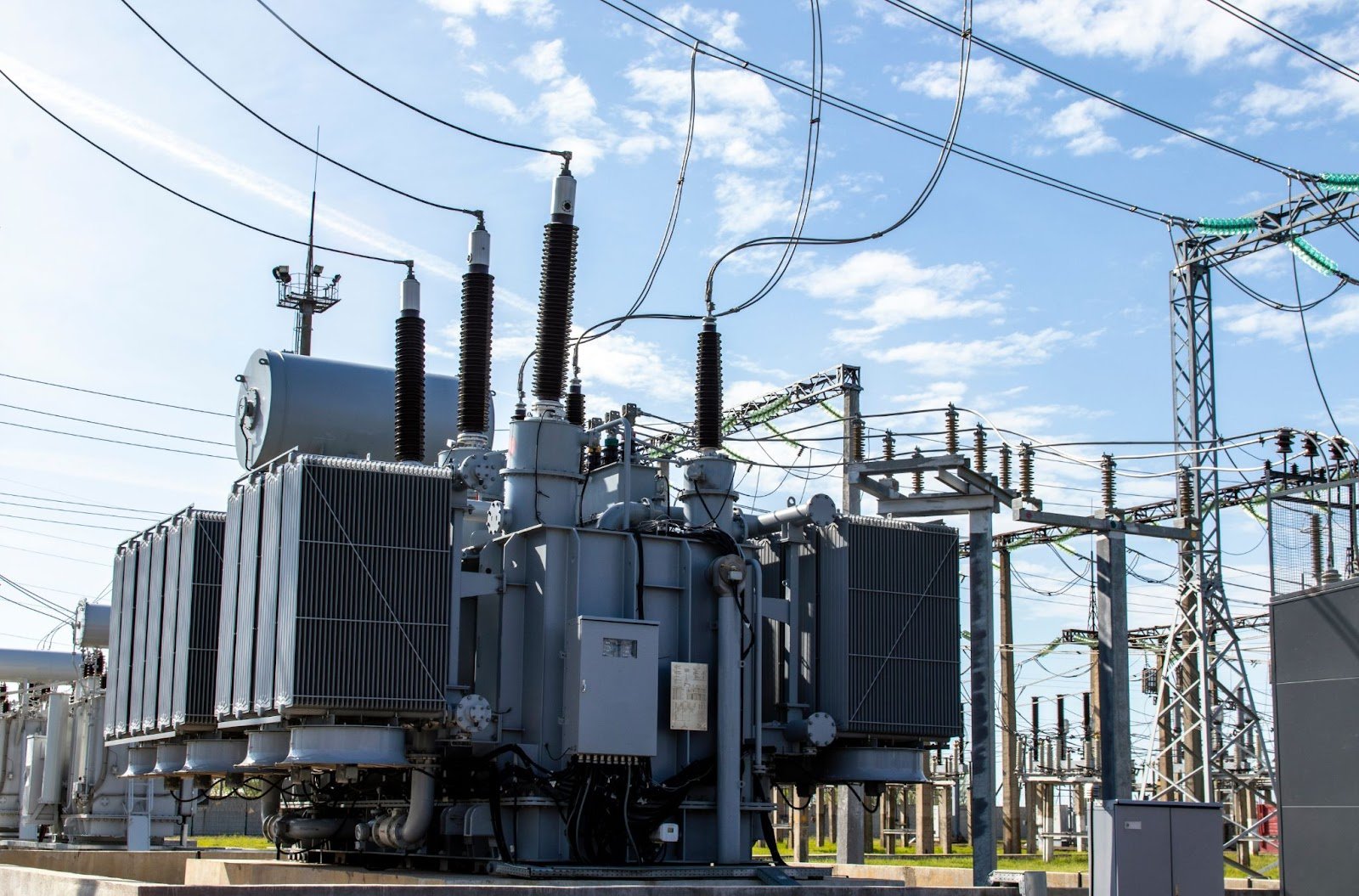
A cooling plant pad is more than a slab. It carries heavy equipment, often with vibration, it takes water or glycol piping in and out, it needs drainage for rain, condensate and cleaning, and it has to be reached by cranes and service trucks. Chillers, dry coolers, cooling towers, pumps, thermal storage tanks and heat exchangers each want their own support, and they are often set in an order that depends on delivery dates.
For Oklahoma owners we plan the pads and the utility connections with the cooling designer, and we build them to be ready before the equipment arrives. Below is what that involves, and what the state's water situation means for it.
Water is a siting question in this state
The Oklahoma Water Resources Board promotes the 2025 Oklahoma Comprehensive Water Plan, and a banner on its site cites a $24B water infrastructure need. It also lists water permit applications, water use reports and a Pending Water Use Permits dashboard. A data center that plans to draw groundwater or surface water for cooling should expect to deal with that permit process.
The panhandle shows what is at stake. KGOU reported in July 2024 that the Ogallala Aquifer is Guymon's water source and that its levels have been dropping, with the city pumping 5.4 million gallons on one day, about 92% of its pumping capacity. Investigate Midwest reported that water levels in the panhandle's Ogallala have fallen 23% since a pork processing plant opened in Guymon. In places like that, a cooling design that uses little or no water can decide whether a project is approved.
Pads, piping and the connections between them
We build concrete pads for chillers, dry coolers and towers, with foundations sized for the equipment weights and the vibration the manufacturer reports. Structural supports for piping, pipe racks and platforms follow. Underground, we install water supply and return lines, drain lines and electrical duct banks to the plant, and we place valve vaults where the mechanical engineer specifies.
Thermal storage, where the owner uses it, adds tanks and foundations. We build those with the same care as the pads, and we test them before they hold water. For the electrical side of the plant, see electrical duct banks and service entrances, and for the water mains that reach it, cooling water supply and reuse lines.
Air-cooled, water-cooled or both
Air-cooled systems use less water and more electricity, and they take more space for the same cooling. Water-cooled systems use evaporation and are more efficient, but they depend on a reliable and permitted water source and on treatment of the blowdown water. Many designs combine them, using water when it is available and air when conditions or permits require it.
The choice drives the pad plan. Air-cooled equipment needs wide, unobstructed pads with room for airflow, and water-cooled plants need basins, treatment and sometimes retention. We draw both options against the site so owners can see the footprint, the piping lengths and the cost. The related central utility plant page describes how these elements share a building or yard. Owners among the AI and GPU cloud operators increasingly ask for liquid loops at the rack, which we cover under liquid cooling infrastructure coordination.
Permits and engineering for a plant
Mechanical, plumbing and building codes apply to the plant, and the state has adopted newer editions, with amendments. Cities may enforce earlier editions, so we confirm the one that governs. Water use permits, discharge permits and stormwater rules sit alongside the building permit, and each has its own agency and timeline.
The Water Resources Board's pending permit dashboard shows that applications queue like any other. An owner who starts the water conversation at site selection avoids a late surprise. Our permitting and utility interconnection service includes tracking those applications alongside the electrical ones.
Pad dates and the equipment calendar
Chillers and large cooling equipment have long lead times and fixed delivery windows. We build the pads so they are cured and surveyed ahead of delivery, with hold-down bolts, plates and sleeves set to the manufacturer's drawings. A pad that is late holds a very expensive piece of equipment on a truck or in a yard.
Setting equipment is a crane task, and we plan it with the rigging contractor. The crane location, the swing radius and the ground bearing are checked in advance, and temporary mats are placed where soil is soft. Our fast-track scheduling page describes how we combine these steps.
Hazards around cooling equipment
Cooling plants involve heavy lifts, pressurized piping, chemical treatment and sometimes refrigerants. Each has a procedure on our sites: lift plans for every pick, pressure tests with written records, chemical storage and handling rules, and certified technicians for refrigerant work.
Water treatment adds environmental responsibility. We keep spills out of drainage, protect nearby streams and coordinate with the stormwater plan. The owner receives records of all pressure tests, flushes and treatment steps at turnover.
Settle the water question first
Tell us your cooling approach and your water source. We will price the pads, the piping and the permits, and show how a lower-water design changes the site plan.
Common Questions
How much water will our cooling system use?
That depends on the design and the climate, and the mechanical engineer calculates it. What we can tell you is how the choice affects construction: water-cooled plants need supply, treatment and discharge infrastructure, while air-cooled plants need more pad area and electrical capacity. We build either.
Do we need a state permit to draw water for cooling?
Often, yes, if you use groundwater or surface water. The Oklahoma Water Resources Board handles water permit applications and publishes a pending permit dashboard. If you buy water from a municipal supplier, the city agreement governs instead. Ask early, because both routes can take time.
Can a plant use reclaimed or non-potable water?
Many do. Reuse reduces pressure on drinking water supplies and can ease approvals. It requires treatment, storage and piping that we build to the engineer's design. We describe the pipe work on our page for cooling water supply and reuse lines.
How do you prepare the ground for heavy chillers?
We follow the geotechnical report for bearing capacity and settlement, replace unsuitable soil, compact the base and place reinforced pads sized for the equipment. We survey the pad before delivery and compare it to the manufacturer's tolerances.
What if the equipment arrives before the pad is ready?
We avoid that by scheduling pads backward from delivery dates and by keeping equipment orders and pad completion on the same chart. If a delay is unavoidable, we arrange temporary storage and protect the equipment until the pad is accepted.
Plan Your Oklahoma Data Center Project
Tell us about the site, the power and cooling plan and the schedule, and we will set up a review of scope, schedule, permits and inspections.
Request a Project Review