Data Center Construction in Chickasha, Oklahoma
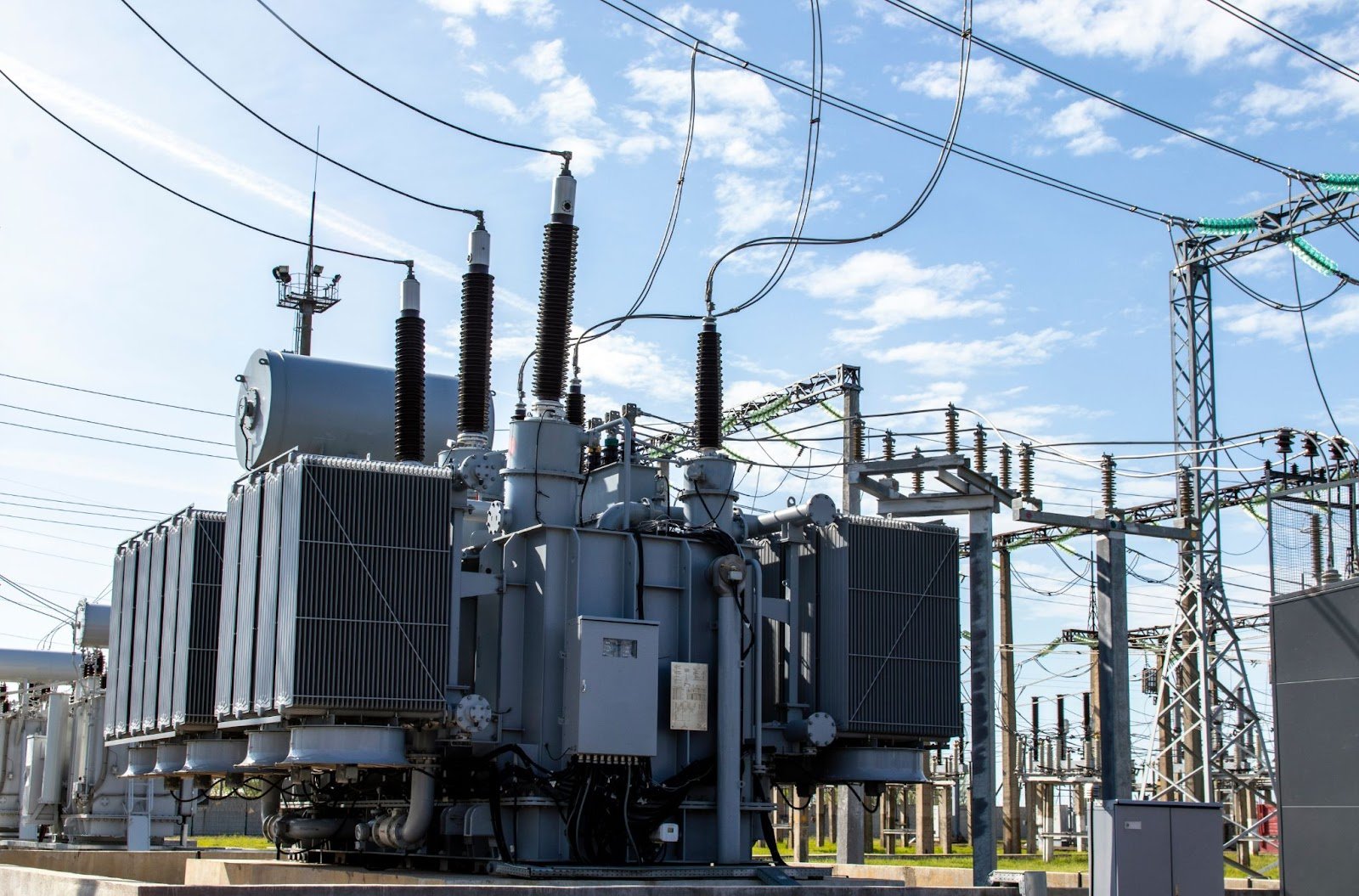
Private power beside the hall is the question that now shapes data center siting in Chickasha, and it is a construction question as much as an energy one. When a developer proposes to supply on-site power to a data center, the site needs generation pads, fuel or gas piping, switchgear rooms, duct banks and a utility interconnection that all share the same footprint. We build that footprint: the structural shell, the slabs under the heavy equipment, the generator and electrical yards and the trenches that tie them together.
A June 2025 release from the Oklahoma Department of Commerce called a new industrial park project in Chickasha the largest single private investment in the city's history, and described a joint venture supplying on-site power for sectors including data centers, critical minerals processing and advanced manufacturing. We treat that as market context, not as work we performed. What it tells a buyer is that Grady County is being planned for power-heavy users, and that site preparation, utility corridors and heavy civil work will be competing for crews and materials.
If you are weighing Chickasha against other sites within an hour of Oklahoma City or against Norman to the northeast, this page explains how we would approach the build, what we need from you first, and what the local conditions do to the schedule.
Starting with the power plan
On a parcel where power may come partly from a neighboring generation project and partly from the grid, our first deliverable is a coordinated site plan rather than a building layout. We locate the electrical room, the generator yard, the cooling plant and the fuel storage in relation to the point of interconnection, and we shorten the duct bank wherever the geometry allows. A shorter bank is cheaper, easier to inspect and less exposed to later excavation by other users of the park.
We also bring the utility and the city into the room before the design is final. Our permitting and utility interconnection team keeps one log of every study, agreement and inspection so the owner can see which approvals gate which construction activity. The result is a schedule with real dependencies rather than a bar chart of hopeful dates.
Lots, rail and highway in one corner of Grady County
The Greater Oklahoma City Chamber describes Chickasha as having a 240-acre industrial park with air access, on Interstate 44 at the intersection of US Highways 81 and 62, with rail service four times daily through two Class I railroads. A March 2025 report added that the Chickasha Municipal Airport Authority sold 320 acres of undeveloped land next to the airport for $1,578,000, with a first phase of 50 industrial lots of two to ten acres each planned.
Lots of two to ten acres suit a particular kind of data center: an edge or enterprise facility, or a first phase of something larger. We have sized shells and yards for parcels in that range, and our page on edge data center construction explains how a compact site is organized when generators, cooling and parking all compete for the same ground. Larger operators, including hyperscale cloud providers, can combine lots or look at the bigger park parcels.
Highway access that helps the delivery calendar
Interstate 44, the H. E. Bailey Turnpike, passes through the southeastern side of Chickasha with access from exits 80 and 83, and U.S. Route 81 runs through the city center. For us that means oversize loads such as transformers, switchgear and cooling equipment can reach the site from the turnpike without crossing the center of town, and precast or steel erection crews can stage in a short haul from the metro.
We plan delivery windows around the long-lead items, not around the shell. A generator or transformer with a long manufacturing queue sets the commissioning date, so our long-lead equipment procurement work starts during design and keeps a rolling record of release dates. The shell is scheduled to finish just ahead of the equipment, which keeps the building dry and the owner's money out of idle space.
What we manage in concrete and set
We manage the concrete that carries the load: mat or thickened slabs for UPS and battery rooms, pads for generators and transformers, and the floor of the data hall itself. Subgrade preparation gets the same attention as the finishing, because a mission-critical slab that settles even a little can bind rack rows and strain cooling pipe. We test and document moisture, compaction and flatness as the work proceeds.
We also set tilt-wall or precast panels where a project calls for them, and we coordinate the structural steel and roof framing with the mechanical contractor so curb openings and penetrations are placed before the roof membrane goes on. For heavy equipment yards we build crushed rock or paved surfaces sized for the vehicles that will service them, including cranes needed for later replacement of a chiller or transformer.
Weather, wind and what the record shows
The National Weather Service Norman office lists an EF4 tornado on May 24, 2011 that traveled from 2 miles south of Chickasha to southwest Oklahoma City, killing 1 and injuring 48, and an F3 tornado on May 3, 1999 that ended 2.5 miles west-northwest of downtown Chickasha and injured 4. A data center owner in this part of the state should design for the possibility rather than treat it as remote.
That shapes how we detail a Chickasha building. We discuss wall panel connections, roof deck attachment, protected louvers and reinforced generator enclosures with the engineer, and we offer an owner a plain comparison of what each hardening step costs and what risk it addresses. We do not guarantee outcomes against a storm; we reduce exposure and keep critical equipment protected as far as the budget allows.
Looking at a Chickasha lot?
Tell us the acreage, the load you need and whether you expect to supply power on site. We will answer with a site layout, a list of approvals and a realistic first-phase schedule.
Common Questions
Can a data center in Chickasha use on-site power?
A private venture announced for the city's industrial park describes on-site power for data centers and similar users, but each project still needs its own interconnection study, air and fuel permits where applicable and city approval. We coordinate the civil and structural side so that whichever power arrangement the owner chooses, the pads, duct banks and rooms are ready.
How big a facility fits on the new airport-side lots?
The planned first phase is 50 lots of two to ten acres. That range typically holds an edge or small enterprise building with a generator yard and parking, or the first phase of a larger plan if lots are combined. We confirm setbacks, drainage and easements with the airport authority before locking a layout.
Does the tornado record change how you build?
It changes what we detail and how we stage the work. We tie panels and roof decks carefully, protect exterior equipment and keep temporary bracing and shelter plans on site during erection. Owners get options with costs so the hardening level is a decision, not a surprise.
How soon can equipment arrive from the highway?
Delivery is easier here than on many sites because the turnpike and U.S. 81 offer direct routes. The limiting factor is almost always the manufacturer's queue for switchgear, transformers and generators, so we place the orders during design instead of after permit.
What do you need from the owner at the start?
The target load in megawatts, the preferred utility arrangement, any operator standards for slabs and cleanliness, and the schedule drivers. With those, our estimating group returns a budget range and a phase plan before design is committed.
Plan Your Oklahoma Data Center Project
Tell us about the site, the power and cooling plan and the schedule, and we will set up a review of scope, schedule, permits and inspections.
Request a Project Review