Data Center Construction in Cushing, Oklahoma
Enterprise tenants and edge operators want a compact, resilient facility with a clear budget, and Cushing offers a setting for it. We build fit-outs and small shells here that keep operations running for companies in the energy business, local government and regional services.
Greater Oklahoma City puts the oil storage in the tank farms around Cushing at roughly 100 million barrels and describes the town as the Pipeline Crossroads of the World for crude. Owners in that kind of industry care about uptime, safety and documented controls, and they tend to ask precise questions about power and security.
We schedule, supervise and inspect the trade partners and keep the owner informed of cost, schedule and risk on one page.
What moves the budget for a small critical site
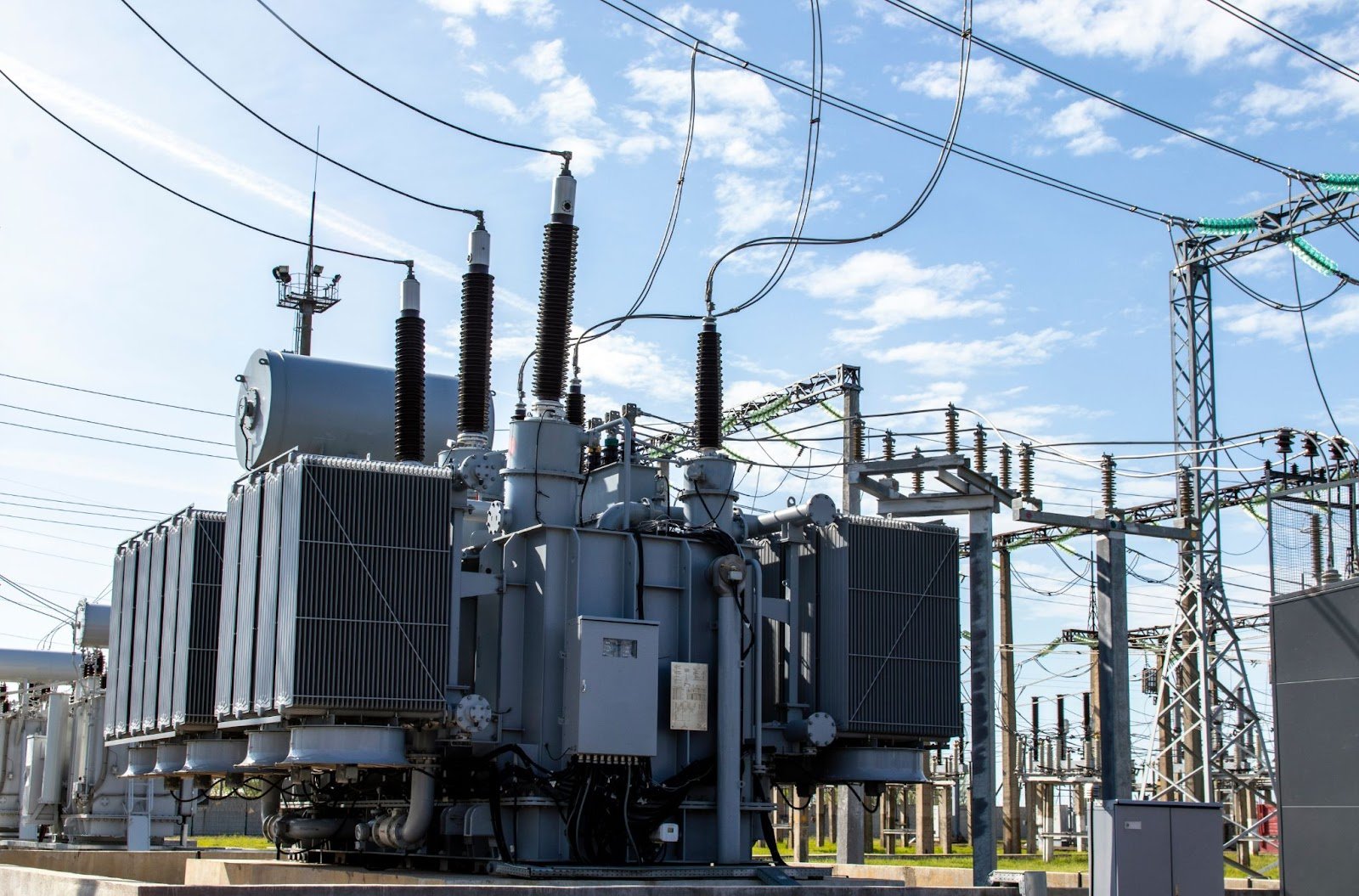
Electrical gear, cooling equipment and the redundancy level set the cost of an enterprise or edge facility. A generator, a UPS and switchgear cost much the same whether the room is large or small, so the cost per square foot of a compact site can look high.
We separate fixed equipment from variable building cost in the estimate, and we show what the owner saves by right-sizing the first phase. Spare capacity can be reserved in the electrical room and on the pad, so that the next block of load does not require rebuilding the first. The estimate also lists allowances for utility contributions and site conditions until they are confirmed.
Security and fire protection add to the total as well. A fenced yard, cameras, card readers, an intercom and a clean-agent or pre-action system can each be priced separately, which lets the owner decide what belongs in the first phase and what can wait.
From shell to ready-for-equipment
The scope for a small facility usually covers site work, a slab designed for equipment loads, a steel or panel shell, electrical rooms, a generator pad and cooling. We handle enterprise data center construction as one coordinated package, with a single schedule, a single set of drawings for the trade partners and one point of contact for the owner.
For an existing building, we assess the structure, the roof, the floor loads and the electrical service before proposing a retrofit. Sometimes a retrofit is cheaper, sometimes a new shell is. A building with a low roof, narrow bays or a weak floor can cost more to correct than to replace, and we say so plainly when the numbers point that way.
An energy hub with large facilities
One Enbridge crude tank farm near the town was rated at a maximum of 20,060,000 barrels in 2010. More recently, on May 25, 2023, Cushing was the location chosen by Southern Rock Energy Partners for a refinery priced at $5.56 billion, with a 250,000-barrel daily capacity and at least 423 permanent jobs; construction was to take 36 months from 2024, with commercial operation in 2027.
Large energy facilities depend on monitoring, control systems and secure communications, which can create demand for edge sites and server rooms close to the field. A refinery built over three years also pulls electricians, pipe fitters and inspectors into the area, so we plan labor with that in mind and book trade partners early.
We treat land and entitlement as part of the same question. Zoning, setbacks, easements and the proximity of hazardous operations all affect where a critical building can sit, and we check them with the city and the county before an owner signs a purchase agreement.
Buyers we expect in a pipeline town
Enterprise and financial institutions value controlled access and recovery capability, and energy companies need resilient control rooms. Telecom and network carriers look for sites to house equipment where long-haul routes meet local networks.
We also work with municipal and regional owners, whose projects follow public bidding rules. Our proposals state scope, assumptions and exclusions plainly so owners can compare them fairly. A public owner also receives bid-ready documents and the qualifications that a competitive process requires.
Schedules that start with utility requests
A small facility can move quickly if the utility cooperates. We submit the service request and the carrier requests on the first day, order the generator and switchgear immediately and keep site work moving while those items are built.
The longest items are usually the generator, the switchgear and the electric connection, with carrier installation close behind when the building needs diverse fiber. We tell the owner which ones control the date and avoid promises that depend on parties we do not control. Weather, inspections and carrier installation windows are carried as visible risks, and we update the owner whenever one of them changes.
Permits, inspections and fire marshal reviews
The local building department reviews the permit set, and the fire marshal reviews suppression, fuel storage and egress. Industrial neighbors may bring added scrutiny for fuel and fire safety, and we address it directly in the drawings. Generator fuel tanks, in particular, need the right containment, spacing and venting, and the reviewer will want them shown clearly.
We keep a permit log and ask for pre-submittal meetings on any unusual feature, such as a large fuel tank, so that reviewers do not discover it late. If the parcel is in an industrial area, we also ask about nearby hazardous operations, since separation distances and emergency access requirements can apply.
Reaching Cushing from the region
Payne County's Cushing sits where State Highways 18 and 33 cross, and Cushing Municipal Airport (CUH) has pavement measuring 5,201 by 100 feet. Those facts help with deliveries, specialist visits and emergency response, and they give an operator a way to bring in a part or an engineer the same day.
We also serve nearby communities and compare sites in Stillwater, Sapulpa and Sand Springs when an owner wants options within a reasonable driving distance. Land, entitlement and utility availability vary widely, and we map them side by side. A short comparison table helps the owner see which parcel is closest to a ready utility, a carrier route and a legal approval.
Planning a small critical facility in Cushing?
Describe the load, the redundancy level and the parcel or building. We will give you a plain outline of cost drivers and next steps.
Common Questions
Is Cushing a realistic site for a data center?
For edge, enterprise and small colocation facilities, yes. These depend on power, fiber and security more than on size, and the town has industrial customers who understand all three.
What makes a small facility expensive per square foot?
Fixed equipment. Generators, UPS systems, switchgear and cooling units cost similar amounts regardless of room size, which raises the unit cost on a small footprint.
How long does permitting take?
It depends on the building department and the complexity of the design. Fuel storage and unusual systems add review time, so we hold pre-submittal meetings.
Can you retrofit an existing building?
Yes, after we assess the structure, roof, floor loads and electrical service. We compare the retrofit and new-build costs before recommending one.
Who performs the work?
Licensed trade partners perform it. We schedule, coordinate, supervise and inspect them and answer to the owner.
Plan Your Oklahoma Data Center Project
Tell us about the site, the power and cooling plan and the schedule, and we will set up a review of scope, schedule, permits and inspections.
Request a Project Review