Data Center Construction Near Will Rogers Airport and Tinker
Secure facilities beside a runway have to be built to two rule sets at once: the owner's security standards and the airfield's limits on height, lighting and construction activity. We build data centers, operations centers and supporting electrical and cooling structures for owners in the Will Rogers Airport and Tinker area, and we begin by learning which surfaces and restrictions govern the lot before we draw a footprint.
The scale of the neighborhood is unusual. Will Rogers World Airport covers 8,081 acres about six miles southwest of downtown, and its longest runway, 17L/35R, is 9,802 feet of concrete. Tinker Air Force Base covers nine square miles with 760 buildings and more than 15 million square feet of floor space, and it has more than 26,000 military and civilian workers. Few places in Oklahoma pack this much critical infrastructure into one district.
Defense, aerospace and logistics occupants
The Air Force acquired 158 acres of former rail yard on Tinker's west side for KC-46A maintenance, a $44 million land deal, and the KC-46A depot campus includes a $120 million two-bay hangar of 130,000 square feet within a program expected to exceed $600 million in construction. An aircraft maintenance company broke ground in April 2024 on an expansion at the airport adding more than 80,000 square feet of hangar and warehouse space and 200 full-time positions. Each of these generates engineering data, maintenance records and secure networks.
That is the core of our government and defense work, and it extends to contractors who support the base. We also serve logistics tenants: Lariat Landing, directly east of the airport along I-44, covers over 400 acres, including about 88 acres of industrial and commercial land, with tenants that include an e-commerce operator, a freight carrier and a regional airline.
Airfield, base and city requirements together
Construction near an active airfield draws FAA height review for cranes and tall structures, lighting and marking requirements, and coordination with airport operations. On the base side, there may be security screening for workers, restrictions on cameras and materials, and approval of haul routes. Oklahoma City adds its own supplements to the International Building Code and the National Electrical Code it lists as current.
We handle these overlapping demands by building a permit and access matrix: which authority controls what, how long each review takes and which documents must be submitted. The matrix becomes part of the project schedule. Our permitting and utility interconnection team keeps it current as the design changes.
Concrete at airport scale
A runway of 9,802 feet of concrete is a reminder of how much pavement work this district sees. For data center owners, the equivalent is heavy pavement for truck courts, fuel delivery lanes and generator service paths, plus structural slabs for equipment. We pour mission-critical slabs to flatness and levelness tolerances set for raised-floor or slab-on-grade halls, and we cure them under controlled conditions.
Secure facilities often add blast, ballistic or forced-entry features: thicker walls, reinforced doors, controlled sally ports and stand-off distances from public roads. We build to the owner's security consultant's drawings, and our security perimeter and access control scope covers fences, gates, bollards and cameras as part of the civil package.
Tornado history on the airfield side
The National Weather Service lists a May 8, 2003 F4 tornado, about 17 miles long and 700 yards wide, that crossed I-240 at Sooner Road, crossed Tinker Air Force Base and crossed I-40 into southeast Midwest City, with 45 injuries and no deaths. Any critical facility in this district has to plan for severe weather as part of continuity. We design generators, fuel storage and cooling equipment with that in mind and keep key electrical gear inside protected structures where possible.
During construction, our safety plan accounts for airfield activity as well: foreign-object debris control, vehicle marking and radio discipline where the project borders operational areas. Neighbors in Midwest City and Del City follow similar procedures.
Access, badging and schedule float
On a secure site, schedule is affected by access. Workers may need badges or background checks before they enter, deliveries may need advance notice, and some areas may be available only at set times. We ask for the access rules during preconstruction and add float for badging so the first mobilization is not delayed. Long-lead equipment is staged off site when the base cannot hold it.
I-40 on the Tinker Diagonal provides the main route to the base, and heavy deliveries to the airport side use I-44 and local arterials. We map those routes and coordinate with the transportation department and the base on any oversize moves.
What drives cost in a secured district
Security, access control and airfield restrictions add cost in ways a standard commercial project does not see. Badging and escort time reduce productive hours. Controlled laydown areas limit how much material can be staged. Crane restrictions may require smaller equipment or more picks. We price each of these as its own line, along with the electrical and cooling costs that dominate any data center, so the owner can see what the location adds.
On the other side of the ledger, the district has depth: heavy civil contractors, steel erectors and electrical firms already work around the base and the airport, which helps with labor availability and competitive pricing. Our preconstruction and estimating work uses that local bidding depth to test subcontractor prices before a number goes to the owner.
Planning a secure facility near the airfield?
Tell us the security level, the parcel and the access rules you work under. We will build the permit matrix and schedule float before you commit to a layout.
Common Questions
Does an airport or air base limit crane height?
It can. Cranes and tall structures near an active airfield may require FAA review and special lighting or marking. We identify the applicable surfaces during site selection so the schedule includes the review time.
Can your team work on a secure base?
We can work under the access rules the base sets, which may include badging, screening and escort. We ask for those requirements early, plan labor around them and keep sensitive materials controlled.
Which building codes apply near the airport?
Oklahoma City lists the International Building Code and National Electrical Code as current, with supplements. Federal or base facilities may follow different criteria. We confirm governing documents in writing before drawings are final.
How does the tornado history affect design?
The 2003 tornado crossed the base and nearby highways, so continuity planning is standard. We harden the envelope to the criteria the engineer sets and protect generators, fuel and electrical gear.
Is the Lariat Landing area suitable for data centers?
It is mostly aviation and logistics land, with about 88 acres of industrial and commercial ground, so suitability depends on power and fiber at the specific parcel. We check those before design.
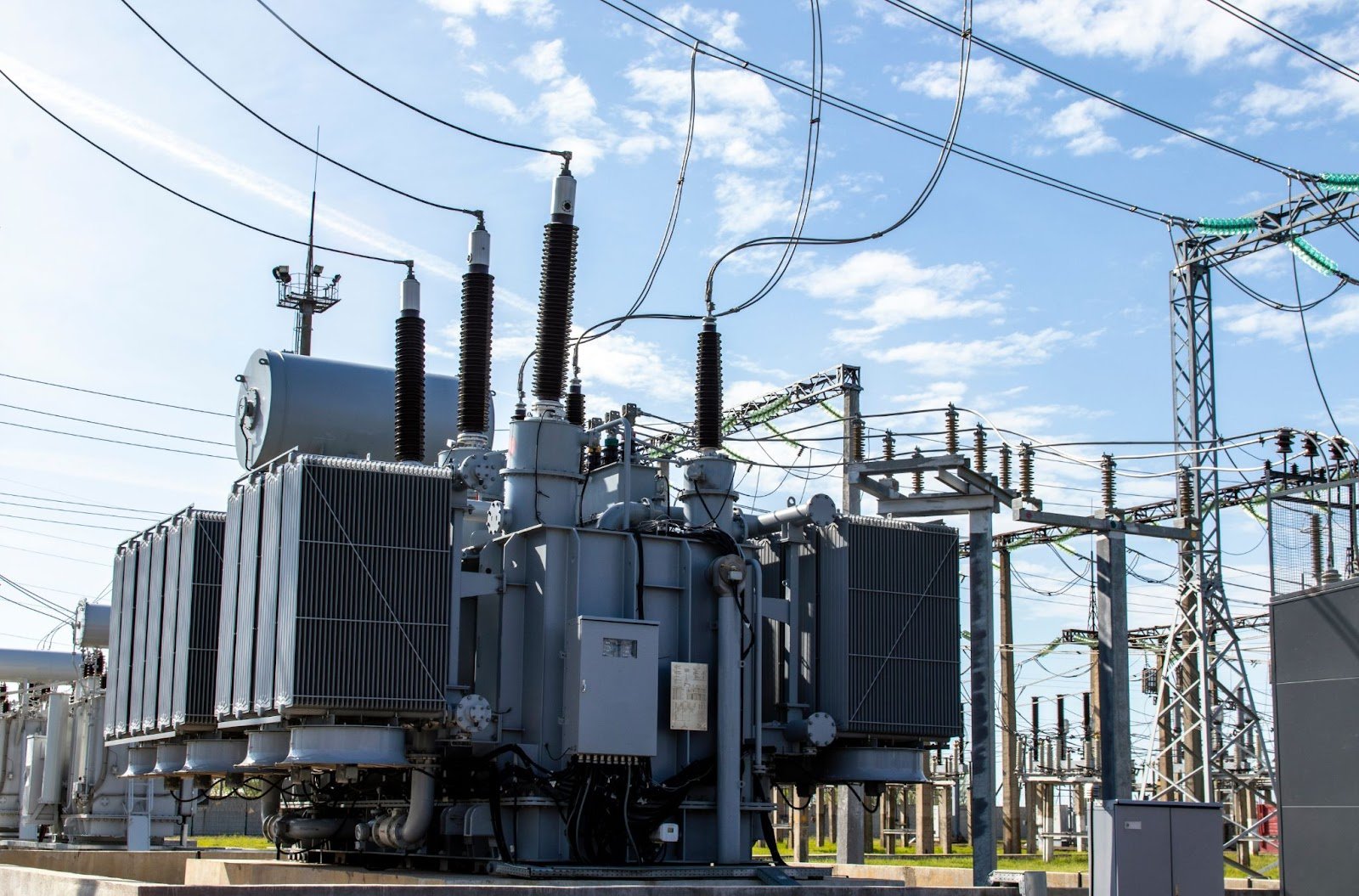
Plan Your Oklahoma Data Center Project
Tell us about the site, the power and cooling plan and the schedule, and we will set up a review of scope, schedule, permits and inspections.
Request a Project Review