Preconstruction and Estimating for Data Centers
An estimate made from a single-line sketch is a guess with a spreadsheet around it, and a data center punishes guesses harder than most buildings. The shell is a modest part of the cost. Electrical gear, cooling equipment, generators and the commissioning that ties them together make up most of the budget, and each of them has a lead time, a price that moves, and an interface with the structure that the early drawings only hint at. Preconstruction is the stretch of work that turns that fog into a number an owner can finance.
We start preconstruction as soon as the owner has a site or a short list of them. At that stage the useful products are not drawings but answers: which parcel can be built fastest, where the utility connection will be, what the soil will cost, how much of the site goes to stormwater, and whether the schedule the owner wants is physically possible. We give ranges first, then narrow them as design advances, and we say clearly which numbers rest on drawings and which on assumptions.
This is also where we tell owners what they do not want to hear. A site with great power but poor access, or a schedule that requires equipment no manufacturer can deliver, is better discovered in month one than month nine.
What we produce during preconstruction
The deliverables are practical. A site feasibility review compares parcels on grading, drainage, access, utility distances and permitting path. A conceptual estimate prices the campus by system, not by square foot, so the owner can see where the money goes. A schedule shows the sequence from permitting through energization, with the long-lead items called out. As drawings mature, we update the estimate at defined milestones and reconcile each version against the last, listing what changed and why.
We also run constructability reviews. Our superintendents read the drawings for things a designer may not see from the desk: a duct bank crossing a drainage swale, a crane that cannot reach its pick, a slab pour sequence that conflicts with a wall. Finding these in drawings costs hours. Finding them in the field costs weeks. Our design-build delivery relies on exactly this kind of early input.
Choosing between sites
When an owner is weighing parcels, the cheapest land is not always the cheapest site. A rural tract might cost far less per acre than a parcel in an industrial park, but it may need a longer power line, a water main, fiber routes and road improvements. We build a side-by-side comparison for each candidate, covering the total cost to reach a buildable, connected pad, and highlight the risks unique to each one.
Community factors are also part of the evaluation. County incentives, tax treatment, public hearings and rezoning vary, and in some Oklahoma communities a proposed campus has faced a rezoning request with no approval granted yet. We keep local approvals on the risk register. Operators sizing up Oklahoma City or smaller markets can use our comparison to see why a modest premium for an entitled, serviced parcel often pays back.
Where the numbers move
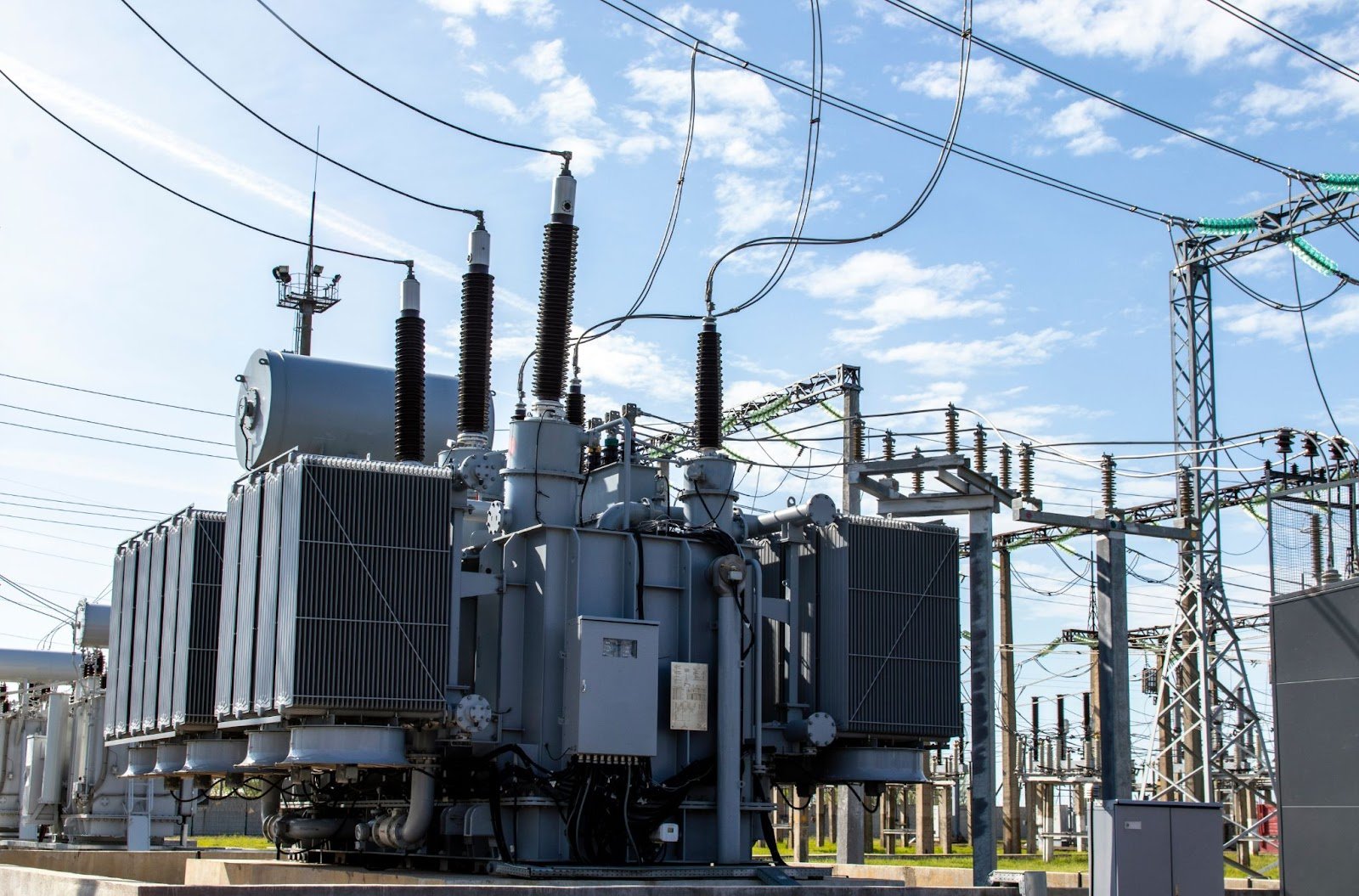
Several line items swing the budget more than the others. Equipment pricing for switchgear, transformers, generators and chillers can change between estimate and purchase, so we carry explicit allowances and update them with vendor quotes. Soil conditions can add or remove large sums from earthwork and foundations, which is why we recommend borings early. Utility extension costs, such as a long transmission tie or a water main, are often the largest single unknown on a rural parcel.
Labor is a growing concern. A major east Tulsa data center project expects more than 1,000 construction jobs at its peak, and several large campuses are being planned in the same part of the state. Overlapping peaks can drive up wages and stretch the supply of skilled electricians and operators. We reflect this in estimates and recommend early commitments from trade partners, a topic we cover in long-lead procurement.
Contingency deserves honest treatment. We separate design contingency, which shrinks as drawings firm up, from construction contingency, which covers field surprises, and from owner reserves for scope changes. Mixing them hides the real risk. An owner who sees each line can decide which to release as the project passes its milestones, and which to keep until commissioning is done. We also show escalation separately, so the owner can tell a price increase caused by the market from one caused by a scope change.
Public work and bidding rules
Most of our clients are private, but public entities also build data and communications facilities, and Oklahoma's rules for them shape the estimate. The Public Competitive Bidding Act of 1974, as amended by a 2025 bill, generally requires open competitive sealed bidding for public construction contracts over $100,000, with a lower threshold for construction management trade contracts and subcontracts. It also provides for bid security of five percent of the bid. Public owners should confirm the current statute text with counsel.
On the licensing side, the Construction Industries Board states that general contractors do not need a state license for general contracting, though electrical, mechanical, plumbing and roofing work require trade licenses. We carry those licensed trades in the estimate and show the owner who is performing what.
Who uses preconstruction most
Developers need site feasibility more than anyone, since they sell or lease serviced land. Real estate developers and site owners use our estimates to set pricing and reach tenants. Colocation and wholesale operators want to compare building types and phasing options. Smaller edge deployments need a faster, lighter version of the same process, and fast-track scheduling often sits alongside the estimate.
Pricing a site?
Send the parcel, the target capacity and your timeline. We will return a feasibility review and a system-level budget range.
Common Questions
How accurate is an early estimate?
It is a range tied to what has been drawn. We state the assumptions behind it, narrow it at each design milestone and show what changed. An early number is useful for deciding whether to proceed, not for committing a contract.
Should we do preconstruction before buying land?
Ideally yes, at least a feasibility pass. Utility distance, soil and floodplain can change the economics of a parcel, and a few weeks of review before closing is inexpensive insurance.
Do you charge for preconstruction?
Terms depend on scope and delivery method. Many owners fold preconstruction into a design-build or construction management agreement, and we explain the options before work begins.
How do you handle price changes on long-lead equipment?
We carry allowances, get vendor quotes at each milestone and flag any change over a threshold the owner sets. Early purchase commitments can lock a price where the owner wants certainty.
What does a constructability review catch?
Conflicts between trades, sequence problems, access limits for cranes and deliveries, and details that are hard to build to tolerance. Each is cheaper to fix on paper.
Plan Your Oklahoma Data Center Project
Tell us about the site, the power and cooling plan and the schedule, and we will set up a review of scope, schedule, permits and inspections.
Request a Project Review