Phased Expansion Build-Outs for Data Center Campuses
Nobody builds the final size of a data center on day one. Demand shows up in steps, financing comes in tranches, and the equipment that fills a hall today will not be the equipment that fills the next one. A phased build-out gives an owner a way to commit to the campus without paying for every megawatt up front, but only if the first phase is built so the second can happen without tearing the first apart.
We plan and construct phased campuses with that in mind. The first building and its supporting infrastructure are sized for the long game: the substation yard has room for another bay, the duct banks carry spare conduits, the stormwater basin handles the full build-out, the roads loop around future pads. Then the later phases arrive as clean additions, each tied to the previous one with defined construction joints, shared utilities and agreed shutdown windows.
The hardest part is building next to a live building. Dust, vibration, noise, delivery traffic and temporary outages are all new risks once a phase is operating. That makes phased expansion as much a planning discipline as a construction one.
What the first phase must leave behind
A phased campus is built on promises made to the future, and the first phase has to keep them. The master plan reserves pads, and those pads must remain unencumbered by utilities that cross them. Spare conduits and sleeves are laid wherever a later building will need to pass. Main electrical and cooling headers are sized to the end state, or at least routed so that larger pipes and busways can be added later without cutting into the building.
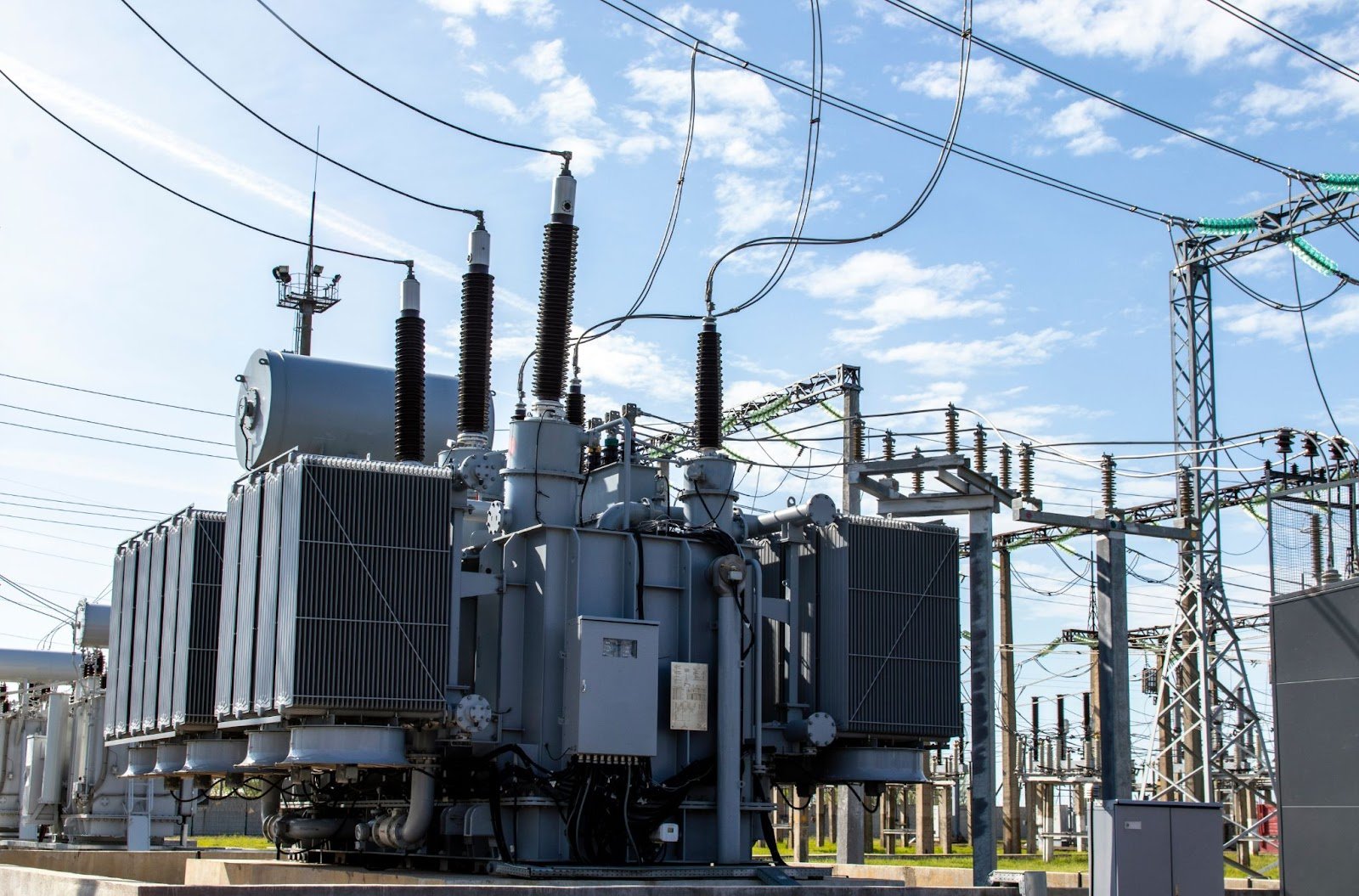
Utility capacity is the other promise. The substation, transformers, switchyard and water service all have to be extended in step with the buildings. Where capacity is reserved but not yet built, we record the reserve in the drawings and in the owner's agreements with the utility. Our substation site work is typically planned for the full site and built in stages.
How Oklahoma campuses are growing
The state offers a few good examples of why phasing matters. Reports on the Pryor data center site say the owner added another $75 million in 2022, which brought that site's total investment to $4.4 billion, a figure built up over successive additions inside MidAmerica Industrial Park, a 9,000-acre campus. In Enid, a proposal reported in September 2026 describes four data center campuses with developer estimates of up to $35 billion in total investment, though rezoning had been filed for only two sites and no city approval had been given. That is a proposal, not an approved project.
Smaller parks are also entering the market. The 700-acre Iron Horse Industrial Park near Shawnee has its first business tenant, and the kind of mid-sized park with rail and highway access can host a first building and a later one when demand arrives. See how this works around Pryor and Enid.
Building beside live equipment
Once a phase is energized, every construction decision changes. We separate construction from operations with physical barriers, dedicated haul routes and separate parking and laydown. Work that could disturb the live building, such as tie-ins, pile driving or heavy crane picks, is scheduled in windows the owner agrees to in advance. Vibration monitoring and dust control are routine, and our cleanliness and safety practices apply on both sides of the fence.
Tie-ins are the most delicate steps. When a new building joins an existing chilled water loop or electrical bus, someone has to isolate a segment, make the connection, test it and put it back in service. We write a method of procedure for each tie-in with the owner's operations team, rehearse it where possible and keep a backout plan ready. The owner decides whether to accept the risk of a live tie-in or to schedule a planned outage.
The price of building ahead
Phasing costs money up front. Oversized headers, spare conduits and larger utilities all come out of the first phase budget, and the return arrives only if the campus grows. We help the owner price the choices: build the full duct bank now, or build a partial one and reopen the trench later. Often the answer depends on how sure the owner is of the second phase, and on how much disruption the second trench would cause.
Repeating a design pays back. The second building can reuse the first building's drawings, submittals and lessons, and trades who know the work run faster. Our duct bank and service entrance work shows how much spare capacity changes costs between phases.
Overlapping phases
On a fast-growing campus, the next phase often starts before the last is finished. That overlap is possible when each phase has its own work front, its own laydown and its own commissioning team. We divide the site into zones and sequence the trades so that crews finishing one building move straight into the next. Equipment orders for later phases can be placed early, and any gap between deliveries is filled with site work that benefits all the buildings.
Record keeping keeps phases honest. We maintain a campus-wide as-built model that shows every conduit, pipe and sleeve already in the ground, so a later crew knows what is under the pavement before digging. When the second building opens its excavation, the survey from the first is the most valuable document on the job. Without it, a crew can cut a live feeder or a spare duct the owner paid for years earlier.
The owners most likely to benefit are those building large, repeated facilities, such as an AI training campus, and colocation and wholesale operators who add halls as leases are signed.
Planning a multi-phase campus?
Send the master plan and the phase targets. We will mark what the first building must leave behind and price the choices.
Common Questions
How much spare capacity should phase one include?
It depends on the owner's confidence in later phases. Underground work that is hard to reopen, such as duct banks and sleeves, usually deserves the most spare capacity, while above-ground equipment can be added later.
Can a new phase be built while the first is live?
Yes, with careful separation and scheduled tie-ins. The owner defines the outage windows and the acceptable risk, and we plan the work around them.
Who pays for utility upgrades between phases?
That depends on the utility's tariff and the agreements the owner signs. We help identify when each upgrade is needed so the owner can plan and negotiate early.
Does phasing slow the first building down?
It can add some scope, but a well-planned first phase moves at the normal pace. The extra work is mostly in the site and utilities, which we build in parallel with the shell.
How do you protect the live building from dust and vibration?
With sealed barriers, negative pressure in some cases, monitoring and restricted work windows. We agree the limits with the owner's operations team before work starts.
Plan Your Oklahoma Data Center Project
Tell us about the site, the power and cooling plan and the schedule, and we will set up a review of scope, schedule, permits and inspections.
Request a Project Review