Data Center Construction in Bixby, Oklahoma
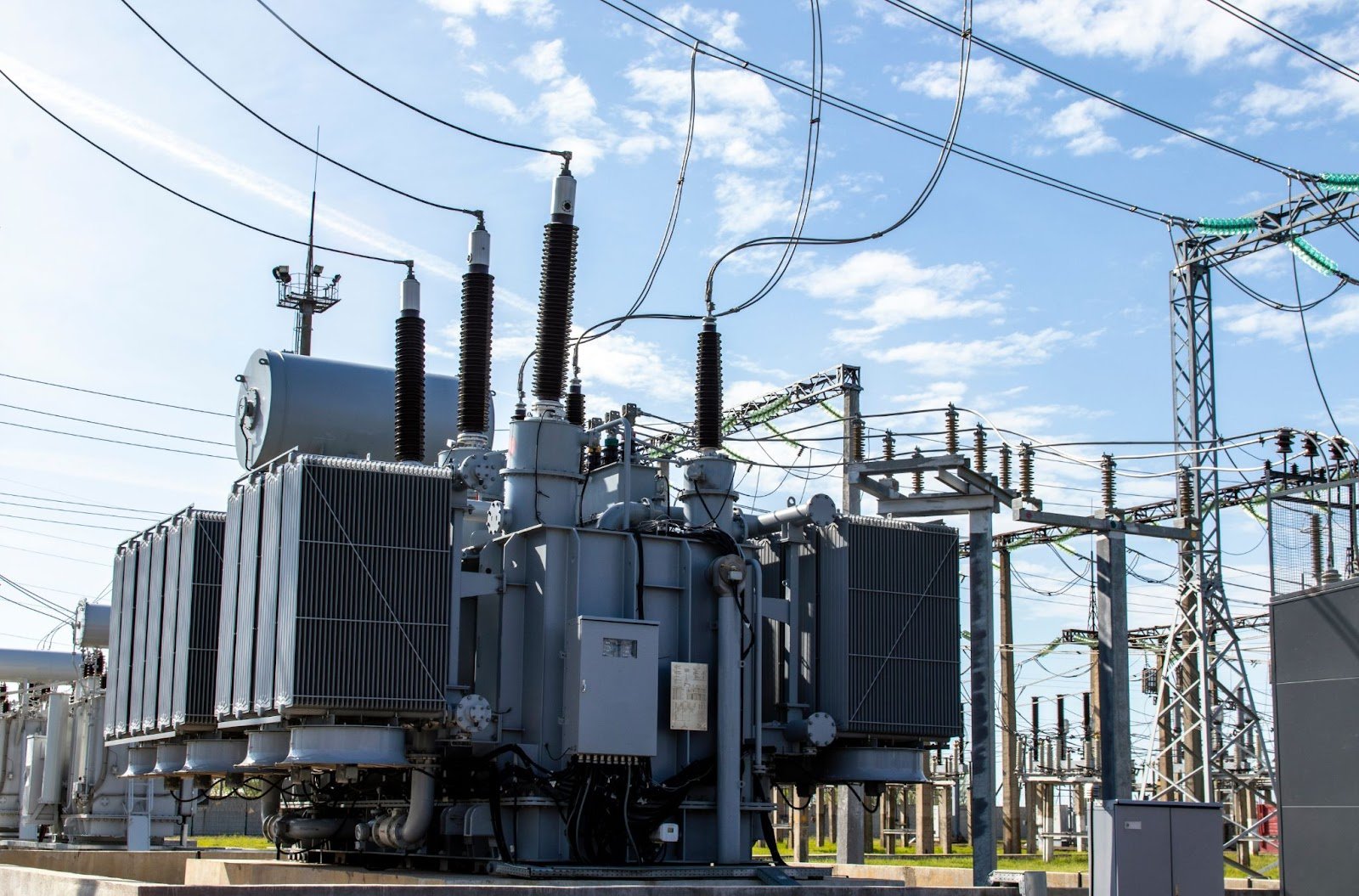
Critical public buildings and small network nodes share a construction problem: they have to stay up when everything around them is stressed. In Bixby, we build the shells, electrical rooms, generator pads and cooling equipment that make that possible, for owners who want an edge facility, a municipal or utility data room or a compact enterprise site in a growing river town south of Tulsa. The scale is modest, but the standards are the same as for any mission-critical project: redundant power, controlled access, clean construction and a commissioning plan.
The river runs through Bixby and divides it into north and south portions, with the original town center south of the river and a traffic bridge built in 1911, according to Wikipedia. For us, that geography has a practical meaning: crossings matter, and so does any fiber or power route that has to get across the water.
Boring, trenching and concrete near a river
A river town makes underground work more interesting. Fiber and power conduits that cross the river must be installed by directional bore at suitable depth below the channel, or carried on a structure with permits from the owner of the bridge. We coordinate bore designs, permits and geotechnical information, and we manage trenching and duct banks on dry ground. Our fiber and telecom trenching work places diverse routes so that a single cut does not isolate a site.
On the concrete side, we pour slabs for generator pads, equipment rooms and shells with attention to drainage and soil conditions near the river. Subgrades near water tables need drainage layers and moisture control, which we specify with the geotechnical engineer.
Public-safety construction as a benchmark
News On 6 reported in July 2023 that Bixby's new fire station headquarters near Highway 67 and Sheridan would be nearly 30,000 square feet, house 14 firefighters compared with five at the old station, and be finished in early 2024. A building like that depends on communications, dispatch links and backup power, and it shows the type of facility that benefits from a robust electrical and network design. We treat public-safety work as a model for how a small critical building should be built.
The city also promotes a Downtown River District that combines a business district with river scenery and parks, per a December 31, 2024 city notice. Mixed-use districts like that bring new fiber demand and new constraints on noise, appearance and traffic, which we respect in generator placement and screening. For wider comparisons, see our work in Jenks and Broken Arrow.
Small critical buildings we build
Typical Bixby projects are edge data centers, administration and security buildings and generator or battery yards for utilities and telecoms. These are small footprints with big requirements. Each has a clean electrical design, separate cooling, fire detection, locked access and a commissioning plan.
We often build the supporting site work in the same contract: access drive, fence, gate, lighting, cameras and landscaping that meets city standards. That keeps the owner from managing multiple small contractors.
Keeping small jobs on short schedules
Small projects can move quickly when the utility schedule cooperates. We start the electric service request and the fiber route design on the first day, order generators and switchgear immediately and keep site work moving while those items are fabricated. A well-planned edge site can go from permit to energization in a matter of months, though the actual duration depends on the utility.
We tell owners which items will actually control the schedule, which are usually the generator, the switchgear and the utility connection, and we avoid promising dates that depend on factors we cannot control. Our fast-track scheduling approach handles overlapping work without compromising testing.
Permits, bidding and public owners
Bixby owners may be private operators or public entities. For public construction, the Public Competitive Bidding Act requires open competitive bidding for contracts over $100,000, with a 5 percent bid security on those contracts. Private owners have more flexibility. In either case, the state codes apply: the state has adopted newer International Codes and the state-adopted NEC applies, with local adoption and amendments.
We prepare bid packages and permit sets that fit either route, and we confirm edition and amendments with the city. Utilities and power developers can read about our approach on the utilities and power developers page.
Siting a small critical building in a mixed-use town
Small critical buildings sit closer to neighbors than large campuses do, so site design carries more weight. We check setbacks, screening and noise limits, and we place generators and cooling equipment on the side of the lot that faces the least sensitive use. A sound-attenuated enclosure, a masonry screen wall or a landscaped berm can bring noise within local limits at modest cost, and testing the run schedule with the neighbors in mind reduces complaints.
Lighting and appearance matter too. A building near a downtown district or a park should not look like a fortress, so we use materials and fencing that fit the context while still meeting the owner's security standard. Our security perimeter and access control scope is designed to be quiet and effective: strong gates, good cameras and good lighting without harshness.
Small buildings, fixed costs
A compact facility still has to buy the same kinds of equipment as a large one: switchgear, a generator, a UPS, cooling and fire detection. The cost per square foot can therefore look high, even though the project is small. We explain this early and focus on right-sizing, so owners buy only the redundancy and capacity they need now, with space reserved for later additions.
The best savings often come from shared infrastructure. A fire station, a utility yard or an office building on the same lot may be able to share a generator or fiber entrance, if the design and the owner permit it. We explore those options during preconstruction.
Have a small critical building to plan?
Describe the building, the load and the owner type. We will outline the scope, procurement path and utility steps in plain terms.
Common Questions
Is Bixby too small for a data center?
Not for an edge facility, a utility or municipal data room or a compact enterprise site. These are small buildings with strict requirements, and we build them with the same standards as larger projects.
How are fiber routes brought across the river?
By directional bore beneath the channel or on a permitted bridge attachment, depending on the owner and the crossing. We coordinate design, permits and geotechnical work and provide diverse routes where required.
Do public owners follow different procurement rules?
Yes. Public construction contracts over $100,000 must be competitively bid under the Public Competitive Bidding Act, with 5 percent bid security. We prepare bid-ready packages and qualifications.
How quickly can a small site be energized?
It depends on the utility more than on construction. We start the service request on day one and order long-lead equipment immediately, and we give owners a candid estimate once the utility responds.
Plan Your Oklahoma Data Center Project
Tell us about the site, the power and cooling plan and the schedule, and we will set up a review of scope, schedule, permits and inspections.
Request a Project Review