Data Center Construction in Jenks, Oklahoma
A data center in Jenks starts with a pad that stays dry when the river system is under stress, and that is the question we put to owners before anything else. A Corps-built levee at Jenks dates to 1948, and in 1986 releases of up to 300,000 cubic feet per second from Keystone Dam led to a mandatory evacuation order in the city, according to Wikipedia. We read that as site-selection information: the ground is close to the river, and the civil design must show how water leaves a campus, how finished floors sit above the flood line and how the electrical gear stays out of harm's way.
We build shells, mission-critical slabs, generator yards, cooling pads and utility entrances for enterprise and edge owners who want a south-metro location 10 miles from Tulsa on the Creek Turnpike and US-75, and we bring the flood and drainage design into the conversation at the start.
Design choices that keep the equipment high and dry
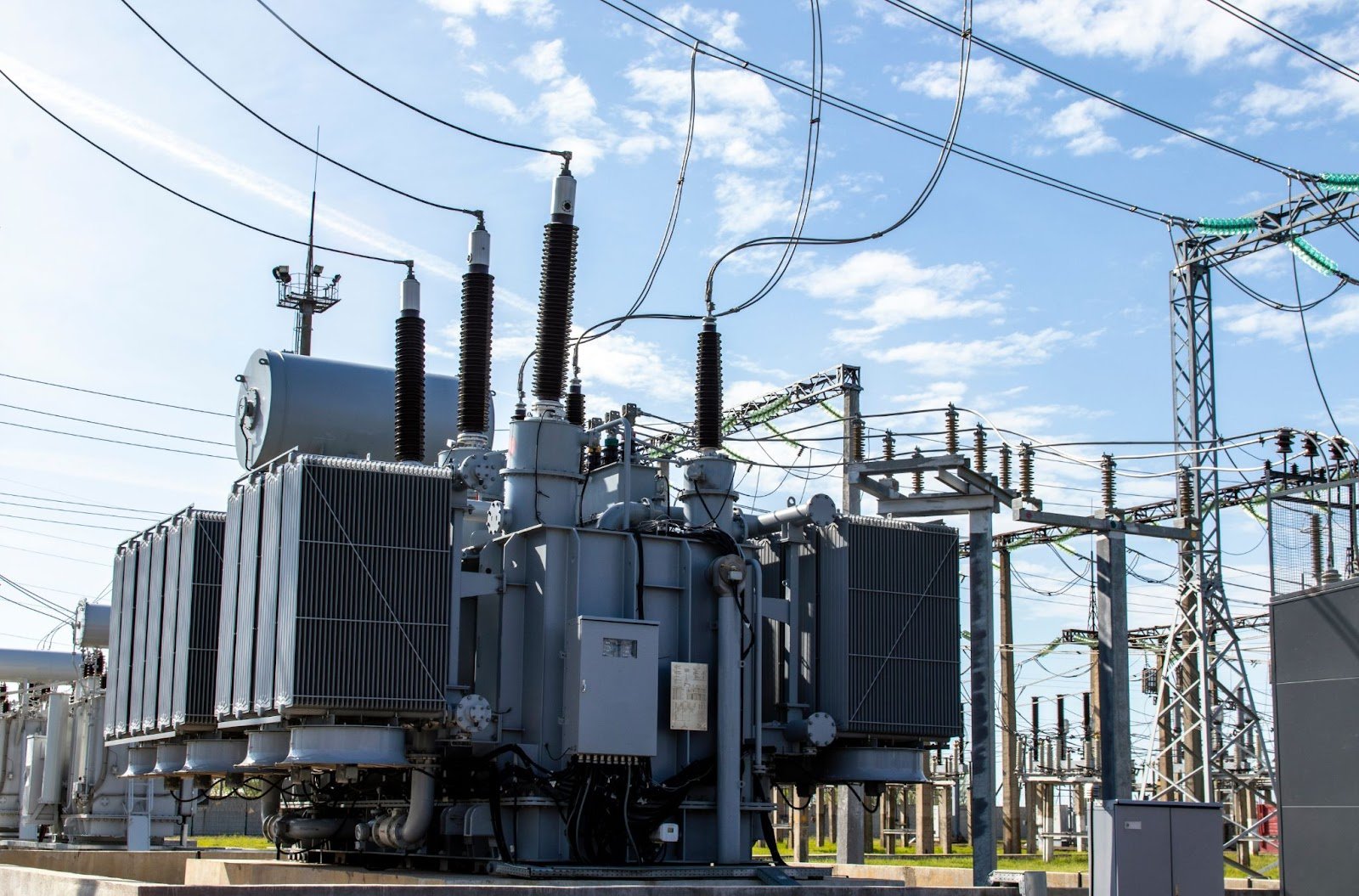
A flood-aware data center puts electrical gear above the design flood elevation, locates generators and fuel tanks on raised pads, and keeps the data hall slab above any predicted water surface. It also thinks about how people and fuel reach the site if roads flood. We work with the civil engineer on finished floor elevations, grading that moves water away from the building and detention that releases at a controlled rate.
Underground work needs the same care. Duct banks that slope toward a manhole can fill with water, so we specify sealed conduit, drained vaults and sump pumps where required. Our stormwater and detention scope covers basins, outlet structures and the maintenance access that keeps them working.
Roads under repair and projects under way
ODOT's Tulsa advisory as of early November 2026 lists a US-75 bridge rehabilitation in Jenks, in both directions between the Creek Turnpike (SH-364) and 96th Street, with one lane per direction through fall 2026. The Creek Turnpike is 33.22 miles long and has a modified cloverleaf interchange with US-75 in Jenks. The city's Elm Street widening from 111th to 131st Street, three lanes to five, costs $16 million under the 2020 bond, with completion anticipated in February 2027.
These projects shape both access and growth. They tell an owner that the city is investing in roads, and they tell a builder that haul routes need confirmation. Nearby, a large outlet center south of the Creek Turnpike near the Oklahoma Aquarium was reported to be under construction in 2023, which adds traffic and land-use change near the river. Our pages for Bixby and Tulsa cover the neighbors on either side.
Scopes we offer to Jenks owners
Typical Jenks requests include small to mid-size enterprise halls, edge nodes for carriers and network operators, and electrical and cooling infrastructure for existing buildings. We provide shell and core construction, interior fit-out, generator yards, chiller pads, fiber trenching and commissioning support.
Where the building already exists, we start with a survey of structure, flood elevation, power capacity and cooling space. Many older commercial buildings can host a server room but cannot carry added battery weight, so structural reinforcement may be part of the plan.
Working around bridge lane closures
One lane per direction on US-75 through fall 2026 means that heavy deliveries need planning. We schedule oversize loads for off-peak hours, use escort vehicles where needed and stage equipment off the highway. Concrete trucks have a primary and alternate route, and we avoid pours that would put trucks in queue on a restricted bridge.
Some phases are less affected: underground work, form building and interior framing can proceed while roads are constrained. We sequence the job so highway-sensitive deliveries fall in windows when ODOT work is lighter, and we update the plan when the advisory changes.
Code editions and who to ask
The state has adopted newer International Codes and a newer NEC. Cities adopt and enforce their own editions and amendments, so we ask the Jenks building department which governs on the application date and confirm in writing. Levee and floodplain rules may add federal or county reviews.
We also look at enterprise and financial owners' own standards, which often exceed code for redundancy, fire protection and security. A permit set that reconciles both is easier to review and easier to build.
Earthwork and concrete under one schedule
On river-adjacent ground, earthwork is not routine. We strip topsoil, remove unsuitable soils, place engineered fill in compacted lifts and test density at every lift. Where groundwater is shallow we install underdrains and moisture barriers beneath slabs, because a data hall floor that stays damp can damage coatings, corrode embeds and produce humidity problems later. We also build the pads for chillers and generators with attention to settlement, since a tilted generator can strain fuel lines and exhaust connections.
Our mission-critical slab scope has the data hall floor poured and finished to the flatness the racks and containment require, and we cure it with enough time before heavy equipment moves in. The same team coordinates duct bank encasement, equipment pads and the paved truck court, so the owner deals with one point of contact from the first footing to the last pad.
Where river-adjacent sites spend extra
Three line items tend to separate a Jenks estimate from one in drier ground: fill to raise the pad, drainage and detention, and underground waterproofing. Raising a pad by a few feet over several acres is a lot of soil, and importing it means trucks on roads that are already restricted. We price on-site balance first, and we look at whether excavated material from the detention basin can serve as fill.
Insurance can also change the equation. An elevated site with documented flood protection can improve coverage terms, so we provide survey data and as-built elevations to the owner's broker. The extra civil cost is sometimes recovered in lower risk, and we help owners see both sides.
Weighing a Jenks site near the river?
Send the parcel and the equipment you plan to install. We will check flood elevations, drainage and haul routes, then outline a build plan you can price.
Common Questions
Does the levee at Jenks mean a site is safe from flooding?
A levee reduces risk but does not eliminate it. The Corps built one in 1948, and a 1986 release from Keystone Dam led to evacuations. We recommend elevating critical equipment above the design flood level and reviewing current mapping for each parcel.
How do the US-75 bridge repairs affect deliveries?
ODOT lists one lane per direction between the Creek Turnpike and 96th Street through fall 2026. We schedule oversize loads for off-peak windows, use escorts and keep alternate routes ready.
Can you add a data room to an existing Jenks building?
Often, after a survey of structure, power and cooling space. Battery weight and cooling equipment may require reinforcement, and we price that early.
What roads connect Jenks to Tulsa?
US-75 and the Creek Turnpike (SH-364) serve the city, with a modified cloverleaf interchange between them. The Elm Street widening is also adding capacity locally.
Plan Your Oklahoma Data Center Project
Tell us about the site, the power and cooling plan and the schedule, and we will set up a review of scope, schedule, permits and inspections.
Request a Project Review