Data Center Construction at the Tulsa Port of Catoosa
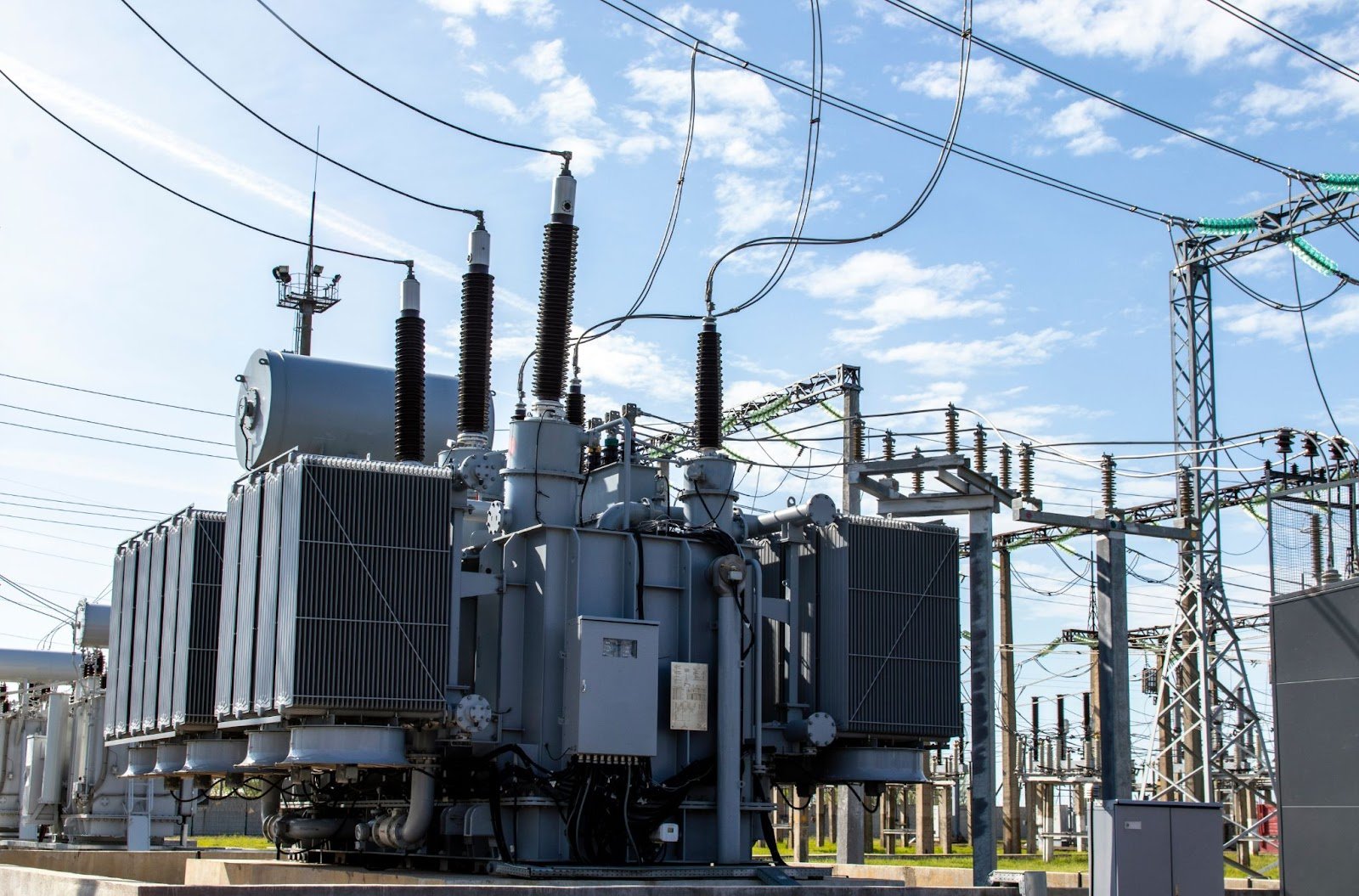
Heavy electrical equipment is the hardest cargo a data center project moves, and few places in Oklahoma are as well suited to receiving it as the Tulsa Port of Catoosa. We build and plan data center sites around that logistics advantage: a transformer or a chiller that cannot be split into smaller loads needs a river, a rail spur or an engineered haul road, and the port offers all three within one industrial complex.
The Tulsa Ports website describes the port as a multi-modal shipping complex and 2,000-acre industrial park with over 50 companies that together employ nearly 3,500 workers. It sits at the head of navigation for the McClellan-Kerr navigation system in northeast Oklahoma, about 15 miles northeast of Tulsa. For a builder, that means an owner can compare receiving options by weight, size and date rather than accepting whatever the nearest highway allows.
The sections below describe how we turn an industrial parcel at the port into a data center site, and where the real constraints sit.
Receiving and setting what cannot be split
We prepare the ground that heavy equipment lands on. That includes compacted haul roads rated for the axle loads, laydown yards graded to drain, and equipment pads with the reinforcement and embedded plates the manufacturer specifies. A transformer pad is a precise piece of concrete work with oil containment, conduit stub-ups and grounding, and we pour ours as part of the same package as the duct bank so the stub-ups line up with the equipment.
Rigging is planned, not improvised. We coordinate the lift plan with the carrier, the crane company and the equipment supplier, confirm ground bearing under outriggers, and set the pick on a day with an acceptable wind forecast. The service page on utility substation site work describes how we build the yard that these machines occupy.
A port complex with water, rail and road
The Tulsa Ports website says the port has handled over 82 million tons of freight over its operating life and that over 1,000 barges pass through in a normal shipping year. Wikipedia reports that the port added a 720-foot dock with a rail line and multiple cranes in 2016, and that its industrial railroad uses three port-owned switch engines, with operations moved to a new operator in August 2022. These are descriptions of the port's capability, not of anything we have built there.
Industry at the port is mixed. A heat exchanger manufacturer has operated a plant there, an aerospace parts distributor lists a center on Skiatook Road, and the Oklahoma Department of Commerce announced on February 2, 2026 that a manufacturer selected the port for its U.S. headquarters with nearly 300 new jobs. For a data center owner, such neighbors suggest industrial zoning, large-load power service nearby and a labor pool used to heavy work, though available electric capacity must be confirmed parcel by parcel.
Interchange work and haul timing
The Oklahoma Department of Transportation's Tulsa traffic advisory, current in early November 2026, lists an improvement of the I-44 and SH-66 interchange in Catoosa, including the westbound I-44 to northbound SH-66 ramp, with work continuing through early 2027. Anyone planning deliveries to the port in that period should expect lane shifts and ramp restrictions. We obtain the current advisories during preconstruction and write route restrictions into the delivery plan.
The calendar also affects the river. Barge schedules depend on conditions along the navigation system, so we never put a critical-path delivery on a single mode. If a transformer is due by water, we keep a road or rail alternative reviewed and permitted. The page on long-lead equipment procurement explains how we tie order dates to the site's energization date.
Wind, ground and the shape of the lot
Wikipedia reports that an F4 tornado struck Catoosa on April 24, 1993, killing seven people. That is a historical event, but it frames a reasonable design conversation about shelter areas for crews, envelope strength and generator protection. We carry those items in the basis of design and let the owner choose how far to go.
Industrial parcels at a port are usually large and flat, which is helpful, but flat ground drains slowly. We design detention and grading together, keep generator and electrical rooms above the surrounding grade, and review the floodplain maps for each lot. Our approach to stormwater and detention treats drainage as part of the mission-critical design, not as a civil afterthought.
Permits that touch a port-area site
A data center near the water raises a few permit questions that a suburban parcel does not. The port authority controls leases and development standards within its park, so we begin with its requirements. County and city permits apply as they do elsewhere, and the owner should confirm which building code edition the jurisdiction applies, since many Oklahoma jurisdictions still list editions while the state commission adopted newer International Codes.
Fuel storage, stormwater discharge and air permits for generators each have their own agencies. We build a permit matrix on day one that lists each approval, its reviewer, its typical duration and the construction activity it blocks. That way the owner can see which approvals are on the critical path.
Who benefits from a port site
Hyperscale and AI operators with very large halls care about equipment weights, the ability to receive modules and a campus that can expand. Our notes for hyperscale cloud providers and AI and GPU cloud operators describe what we need to know early: the phase sizes, the cooling approach and the power ramp.
Developers who intend to lease powered shells also like industrial parks, because the zoning is already set and the neighbors are compatible. Our neighboring pages on Claremore and the Pryor and MidAmerica industrial park area describe alternatives on the same side of the Tulsa metro.
Planning a heavy-equipment campus?
Share your equipment list, the target load and the dates that matter. We will map the delivery options, the utility path and the permits for a port-area site.
Common Questions
Can transformers and chillers really arrive by barge?
Where their size and weight call for it, yes. The Tulsa Ports website describes the port as the head of navigation for the McClellan-Kerr navigation system. Whether a specific machine can move that way depends on the manufacturer, the dock and the final haul to the pad, so we confirm each leg in writing before ordering.
How much power can a port parcel get?
That depends on the parcel and the serving utility, not on the port. We request a capacity statement for the specific lot and the study timeline for any needed upgrade before we advise on the schedule or the budget.
What does the I-44 and SH-66 work mean for deliveries?
The Oklahoma Department of Transportation lists interchange work in Catoosa continuing through early 2027, so plan for lane shifts. We put the current advisories in the delivery plan, use off-peak windows for oversize loads and keep an alternate route ready.
Do we need to build for tornadoes at the port?
A design can be hardened at a reasonable cost, and an F4 tornado struck Catoosa in 1993 according to Wikipedia. We show you the cost of stronger envelope details, shelters and generator protection so you can decide on the level you want.
Is port land owned or leased?
Lease and ownership structures vary by parcel, and the port authority sets development standards. We ask for the lease form and the design standards at the start so the site plan, setbacks and fuel storage are drawn to them from the first sketch.
Plan Your Oklahoma Data Center Project
Tell us about the site, the power and cooling plan and the schedule, and we will set up a review of scope, schedule, permits and inspections.
Request a Project Review