Data Center Construction in Claremore, Oklahoma
A data center built in Rogers County has to be designed for wind before it is designed for anything else. Wikipedia reports that an EF3 tornado struck Claremore on the night of May 25, 2024, and any owner who reads that sentence will ask how the building, the generator yard and the roof-mounted equipment would have fared. We start our Claremore conversations there, with load paths, envelope strength and what happens to the facility's cooling and power if a storm cuts the town off for a day.
That starting point does not make Claremore a poor choice. It makes it a place where careful structure is part of the price and where the surrounding infrastructure is genuinely useful. Interstate 44 crosses the city to the southeast, and State Highways 66, 88 and 20 meet within it, so trucks reach a site on several routes. The city is about 25 miles northeast of Tulsa, near enough for metro fiber and far enough for land that is not already carved into small lots.
We build the shells, slabs, yards and utility services that turn a Claremore parcel into a working facility, and we pair them with a commissioning plan that treats storm recovery as a test case rather than an afterthought.
Designing for a storm, not for a brochure
Wind design for a data hall is mostly about keeping the envelope closed. Tilt-wall panels with a continuous roof diaphragm give the building a stiff box, and we detail panel connections, parapets and roof edges so that they do not become the weak point. Equipment on the roof is the next concern. Cooling units, exhaust fans and conduit supports get engineered tie-downs, and we avoid layouts where a single missed fastener lets a unit become debris.
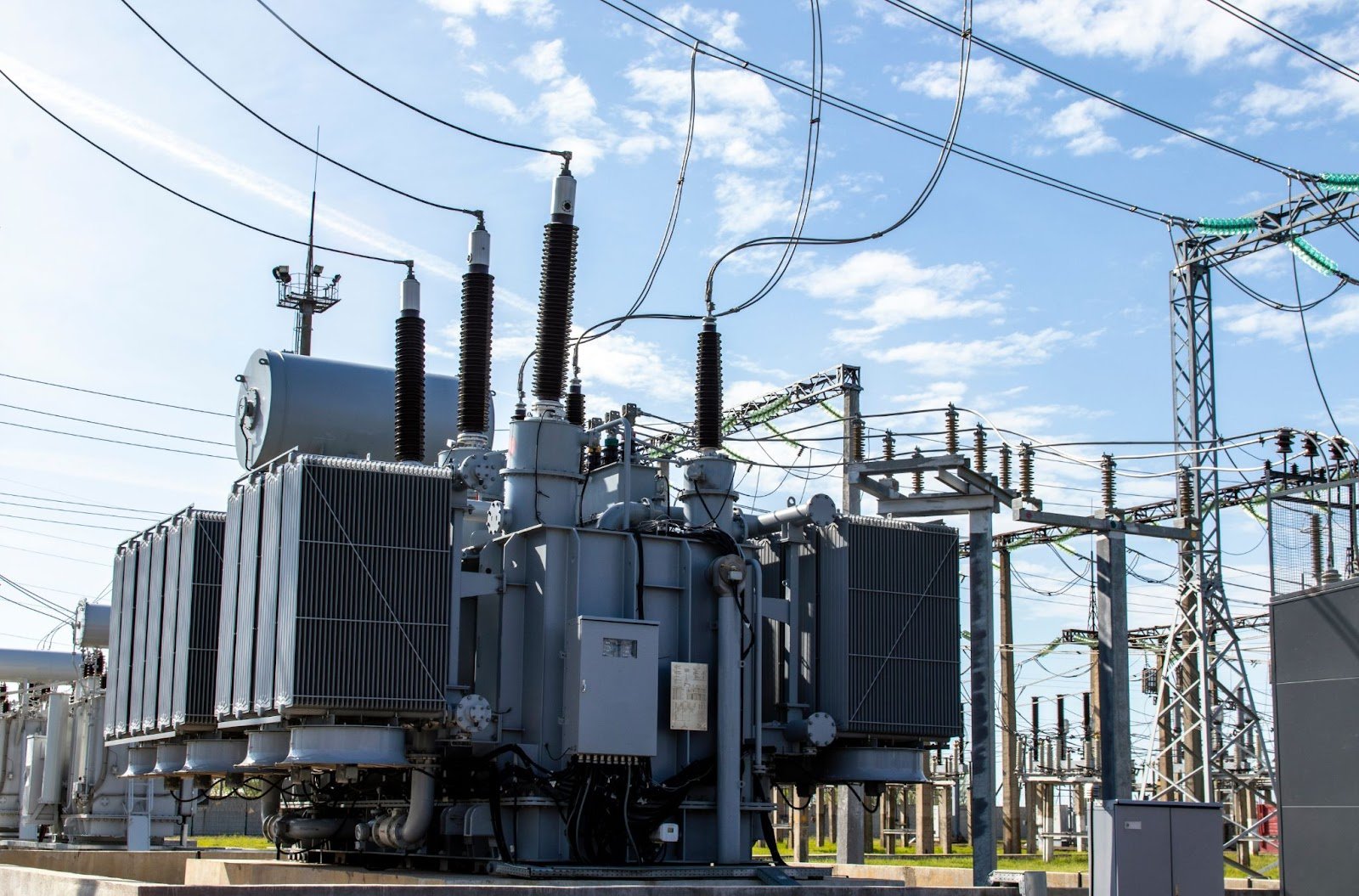
Generators matter more here than almost anywhere. If a storm takes down distribution lines, the generator yard becomes the facility's only source of power for however long repairs take. That puts weight on fuel storage, on the enclosure ratings, on drainage that keeps the yard dry after heavy rain, and on a refueling plan the county can support. Our work on generator yards and fuel systems follows that logic, and the generator and fuel yard page shows how we lay one out.
Industrial park ground near a river port
Wikipedia reports that an oil-field services company has a large presence in the Claremore Industrial Park, only a few miles from the Tulsa Port of Catoosa. We mention it as local context. What it signals for a data center owner is that Claremore has serviced industrial ground, heavy-haul capable roads and neighbors that understand large loads and long equipment lead times. Industrial parks also tend to have zoning that already allows the setbacks and screening a mission-critical site wants.
Wikipedia also reports that two rail lines, now operated by Union Pacific and BNSF, intersect in Claremore, and that Claremore Regional Airport sits about 7 miles east of the city with Tulsa International Airport about 22 miles southwest (see our notes on the airport aerospace district). For us the rail intersection is a coordination item as much as a convenience. Fiber and power routes that cross railroad right-of-way need crossing agreements, and those agreements take time. We list them on the first schedule so they are not discovered in month eight.
Working with the utility and Rogers County early
Power and water decide a site, so we begin with the serving utility and the county rather than with drawings. We ask for the available capacity at the nearest substation, the study timeline for a new service, and the cost responsibility for upgrades. We ask the county about incentives, road use agreements and the permitting path for an industrial building with a large fuel inventory. Those answers shape the feasibility, and we share them with you in plain language.
Our preconstruction work, described under preconstruction and estimating, turns that early information into a site-specific budget. Colocation and wholesale buyers, whom we describe under colocation and wholesale operators, often need that range before a lease is signed. An owner receives a range, the assumptions behind it, and a list of what could move it.
What we manage on a Claremore job
On a Claremore job we manage the earthwork, the underground duct banks, the mission-critical slab and the equipment pads. Scheduling those scopes together keeps the sequence tight and the accountability simple, because the team that coordinates the pad also protects it from rain, traffic and trenching. Our slab work is described under mission-critical concrete slabs.
Specialty electrical, mechanical and controls work goes to licensed trade partners, and we coordinate them against one master schedule. Oklahoma does not license general contractors, but it does license the trades, so we verify credentials before awarding the scopes that inspectors will examine most closely.
Permits and the question of which edition applies
The Oklahoma Uniform Building Code Commission adopted newer International Codes, and the National Electrical Code is adopted separately. Cities adopt and enforce their own editions and amendments, and many still list an earlier set. Before design starts we ask the Claremore building department which edition governs a submission on your date and which local amendments apply.
A data center also draws review from the fire marshal for fuel storage, from the utility for service entrance details, and sometimes from the state environmental agency for generator air permits. We map those reviews into the schedule at the start and track them on one list so that a late comment from one reviewer does not surprise the others.
Moving heavy equipment in and out
Switchgear, transformers and chillers are the long-lead items on a Claremore project, and we place orders early in the preconstruction period through long-lead equipment procurement. Delivery planning follows. We pick approved routes among the highways that cross town, schedule oversize moves for off-peak hours and keep a laydown area on site for staging. If the equipment arrives before the building is ready, we store it protected and powered where the manufacturer requires.
Weather planning is part of the schedule here. Spring severe-weather days are not rare, so we avoid placing crane picks of large equipment on forecast risk days and keep shelter plans current for the crew.
Considering land in Rogers County?
Tell us the parcel, the load and the resilience goals. We will review wind design, utilities and permits and give you a clear, written view of what the site can support.
Common Questions
How do you account for tornado risk when pricing a Claremore data center?
We price the structure for the wind loads the code requires and then show you optional upgrades, such as stronger roof deck attachment, extra tie-downs for rooftop equipment and a more robust generator enclosure. Wikipedia reports an EF3 tornado in Claremore on May 25, 2024, so we treat those upgrades as serious options rather than extras.
Is Claremore close enough to Tulsa for low-latency service?
It is about 25 miles from Tulsa according to the regional geography, and both Interstate 44 and the rail corridors that cross the city carry fiber routes. Latency depends on the actual carrier path, so we ask carriers for the route map before you commit to a parcel.
What does a rail crossing do to a utility or fiber schedule?
Any buried line that crosses railroad right-of-way needs a crossing agreement and often a bore under the track. The review and the construction window both take time, so we raise them in the first schedule and begin the application as soon as the route is firm.
Which industrial sites should we compare with Claremore?
The Tulsa Port of Catoosa is a few miles away and offers river, rail and road access. The aerospace district at the Tulsa airport offers a different land and workforce profile. We price comparable parcels on one basis so you can see the true differences.
Can an existing industrial building be converted into a data hall?
Sometimes. The slab thickness, clear height, roof loading and electrical service decide it. We survey the structure and run a conversion estimate against a new shell before you decide.
Plan Your Oklahoma Data Center Project
Tell us about the site, the power and cooling plan and the schedule, and we will set up a review of scope, schedule, permits and inspections.
Request a Project Review