Data Center Construction in Holdenville, Oklahoma
A shell that is square, dry and ready for equipment is what most data center owners need first, and in Holdenville we build it with attention to the ground, the roads and the rail lines around it. The city lies at the crossing of State Highway 48 and U.S. Highway 270, about seventy-five miles southeast of Oklahoma City, so deliveries and staff arrive by roads that are already in use for freight.
Building shell and core here means pouring a slab that will carry racks, batteries and cooling gear without cracking, erecting a roof that stays tight in hail and wind, and leaving the electrical and mechanical rooms ready for the systems that follow. We schedule, supervise and inspect the trade partners who do that work.
The local economy gives us plenty of reasons to plan carefully. Industrial and public employers share the same trades, and a good schedule accounts.
Safety plans for a rural shell project
A rural site is far from hospitals and from the fire station, so our safety plan names the closest emergency services, the route to them and a site address that responders can find. Heavy lifts, trenches and hot work each get a written procedure before the first shift. We also arrange a landing area for air ambulance service if the owner requests it, and we keep a first-aid-trained person on every shift.
We hold weekly meetings with the trade partners, inspect scaffolds, ladders and guarding and keep records of training, near-miss reports and corrective actions. If the same issue appears twice, we change the plan, not just the reminder. Tornado season adds a weather plan, with shelter locations and lift limits tied to forecast alerts.
Operators who look at south-central Oklahoma
Government and defense operators sometimes want a secure, low-profile site away from large metros, and the county's list of major employers includes the Davis Correctional Center, which shows that this part of Oklahoma is used to buildings with strict access rules and controlled perimeters.
Enterprise and financial institutions value recovery sites with distance from their main offices. We build shells that can accept their racks, security systems and backup power in the sequence they choose, and we leave the interior rough-in so that the tenant's own vendors can finish without tearing into completed work.
Where we build around Holdenville
We work on parcels in Holdenville and across Hughes County, and we confirm the electric provider, water source, fiber and road access for each. Distances matter in a rural county, so we plan materials, laydown and worker parking in advance. Concrete plants, rebar suppliers and steel fabricators have delivery windows that depend on the distance, and we confirm each one before we set a pour date.
For owners weighing nearby sites, we also describe conditions in Ada, Shawnee and McAlester, each of which has its own mix of labor, utilities and transportation.
Freight rail and local manufacturing
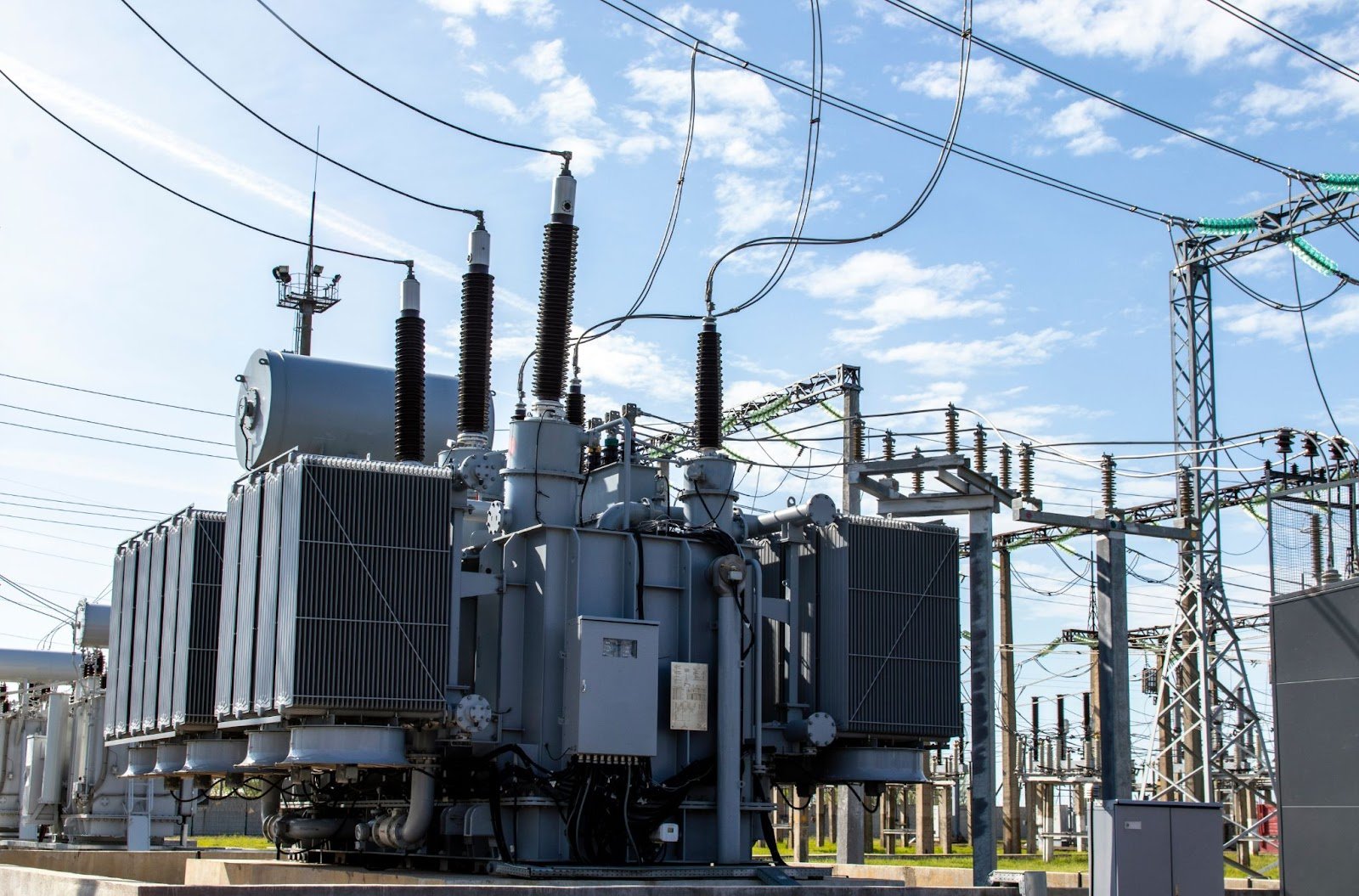
BNSF Railway and Union Pacific both run freight lines through Holdenville, which suggests heavy items may travel by rail for part of the journey. A transformer can come by rail to the nearest siding and finish its trip by truck with a special permit.
A $620,000 Community Development Block Grant helped Central Metal Finishing fix up a city-owned building in a $1,301,338 project. The company was obliged to create 18 jobs and had hired 53 people as of July 29, 2019. That is a sign that local officials know how to match public funds to private investment, which helps when an owner seeks incentives of its own.
Compact buildings that suit the setting
The most likely fits are an edge data center, a disaster recovery building for an enterprise or agency, or a small carrier facility. These need steady power and diverse fiber more than large acreage.
We also build the support buildings that go with them, such as a security gatehouse, a generator yard and a central plant. Each is designed to the same standard as the main shell, with the same inspection routine and the same turnover records. A short drive to the nearest town also means that the owner may want an administration building with a break room, restrooms and storage for spare parts, so staff on a long shift have what they need.
Ground first, then structure
We ask for a soil report before we finalize a foundation. The land around the city is mostly wooded, gently rolling hills cut by small creeks, so drainage and grading are real design factors, and fill placed on a slope has to be compacted and tested.
After the ground, we choose the shell system. Tilt-up panels suit a flat site and a quick schedule, steel suits long spans and later expansion, and precast suits owners who want fast erection and a hard envelope. We price all three where the choice is open, and we show the owner the difference in cost, schedule and flexibility in a single table.
Water, lakes and cooling choices
The lake called Holdenville City Lake furnishes 80 percent of Hughes County's drinking water, and the city lies roughly five miles north of it. Because the lake is a public supply, an owner planning a water-cooled design should talk to the water provider before assuming that large volumes are available.
We compare air-cooled and water-cooled approaches with the cooling engineer, and we describe the tradeoff in plain numbers. A design that avoids heavy water use may cost more in electricity but will be easier to permit and to defend publicly. Reclaimed water or a closed loop that needs little makeup can also fit, and we list those options for the owner's consultant to review.
Permits and long-lead orders
The local building department reviews the permit set, and the fire authority reviews suppression and fuel storage. We file early and keep a log of comments and responses.
Long-lead equipment is the other schedule driver. Our long-lead equipment procurement process tracks each manufacturer's ship date and ties it to the pad or room that will receive the item, so a delay is visible long before the truck is due. We keep the same discipline with the roofing, door and cladding packages, which can slow a shell as much as electrical gear can slow a fit-out.
Considering Holdenville for a shell?
Tell us the building size, the parcel and the date you need it. We will outline the ground, power and equipment steps that come first.
Common Questions
Is a rural site a problem for a data center?
Not by itself. The requirements are power, fiber, water and road access, and a rural site can have all four. We check each before the owner commits.
How does rail help?
Rail can carry heavy equipment part of the way, though the last leg still travels by truck. We plan transfers, permits and cranes so that the equipment arrives safely.
What shell type is best?
It depends on the site, schedule and growth plan. We compare tilt-up, precast and steel with the geotechnical results and the owner's load program before recommending one.
How far in advance should long-lead equipment be ordered?
As soon as the design is firm enough to specify it. Generators, switchgear and chillers can take many months, so we begin the process during preconstruction.
Who builds the shell?
Licensed trade partners do the physical work. We schedule, coordinate, supervise and inspect their work and answer to the owner.
Plan Your Oklahoma Data Center Project
Tell us about the site, the power and cooling plan and the schedule, and we will set up a review of scope, schedule, permits and inspections.
Request a Project Review