Data Center Construction in Newcastle, Oklahoma
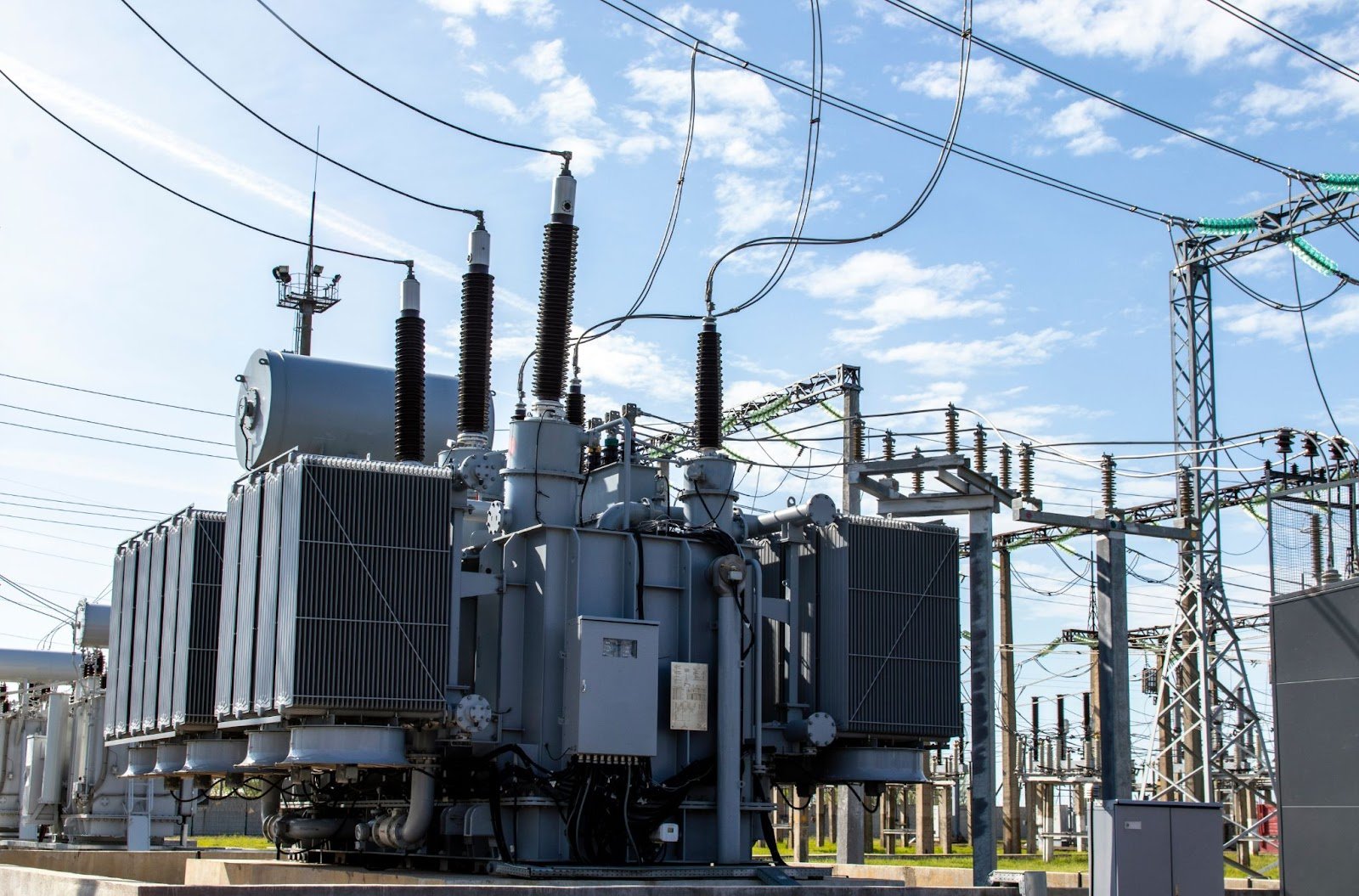
Long lead times only help an owner if the equipment has somewhere to go when it is finished, and in Newcastle we build the schedule, the roads and the pads that make an early order useful. Generators, transformers and chillers are manufactured to a date. The site must be graded, drained, powered and reachable by that date, with a staging area, a crane position and a person to inspect each delivery.
Newcastle is a McClain County town on the southwest side of the Oklahoma City area, and the town is investing in infrastructure and public buildings. That investment brings road work, trade competition and utility improvements, all of which touch a delivery plan. We follow those projects and adjust our routes and schedules to them.
Cooling and water form the second part of our approach. A mechanical yard is useless without a reliable supply and a lawful place to send the discharge, so we confirm both before we commit to a layout.
Backward scheduling from the delivery date
We start with the date each major item will arrive and work backward. A generator set needs a slab, containment and a conduit stub-out; a chiller needs a pad, piping stubs and power. Each prerequisite gets a due date, an owner and a float figure.
Then we plan the day itself: the route from the highway, the escort or permit if the load is oversize, the staging area, the crane or jack-and-roll equipment and the inspection checklist for damage and shipping bracing. If a delivery slips, the schedule shows what else moves. Our long-lead equipment procurement tracking keeps submittals, factory tests and ship dates on one page for the owner.
Campuses and yards that receive the heaviest gear
The projects most affected by delivery logistics are large: a hyperscale data center with many halls and a long list of equipment, and a battery energy storage yard with containers, inverters and switchgear. Smaller sites have the same issues on a smaller scale.
We design the access drive, the truck court and the laydown area at the start of site planning, since changing them later means moving utilities and drainage. Large yards also need a plan for temporary power and fencing during construction.
Operators who buy equipment far ahead
Buyers who order equipment a year or more in advance include hyperscale cloud providers and AI and GPU cloud operators. Their timelines are tight and their equipment lists are long, so they want a builder that can answer a delivery question with a date, a route and a responsible person.
Developers who prepare sites for those operators ask a related question: what does the site need to show so an operator can commit? A graded pad with a utility letter, a haul route and a laydown area is a strong answer, and we help package it.
Each of these buyers also asks about repeatability. If the first building goes well, the same delivery plan, laydown layout and inspection routine should work for the second, so we document what we learn and carry it forward.
Cooling, water and the mechanical yard
Mechanical equipment is among the heaviest and most sensitive on site. Liquid cooling infrastructure coordination aligns pumps, heat exchangers and piping with the equipment schedule, and cooling water supply and reuse lines connect the plant to the utility or a reuse source.
Newcastle recently opened a $52 million wastewater treatment plant at 1200 N.E. 16th Street, with a capacity of 1.5 million gallons per day and a grand opening set for September 19, 2025. We read that as useful context for any owner asking whether the town can accept a mechanical discharge, and we ask the town directly what it can take. Mechanical pads are then sized for the weight of the equipment when filled with water, which is often far above its shipping weight.
Approvals tied to a growing town
Town Center Plaza, at 124 S. Main Street, cleared its first hurdles on March 10, 2025, when the town approved the preliminary plat and a PUD rezoning. A PUD is a negotiated zoning tool, and its existence tells us the town is willing to work through site-specific terms with developers. Owners who need a variance, a setback change or a use not listed in the base zoning may find a similar route open to them.
We prepare the plat, site plan, drainage report and utility letters, and we meet staff before filing. The local building department reviews the permit, and we schedule inspections into the plan so that a failed inspection does not hold a delivery.
Reading the town before committing the site
As of October 2, 2025, the school system counted 2,596 students and 767 staff, and a middle school project underway adds six classrooms, two of which are safe rooms. Schools of that size mean traffic at set hours, buses and pedestrians, and we keep that in mind for truck routes and delivery times.
The same rhythm applies to a large public project. Near Newcastle, the Chickasaw Nation is constructing a hospital for Indian Health Service staff to run, with mayor's projections reported July 24, 2025 of 4.2 million square feet, a staff of 5,500 once open and between 600 and 700 construction workers. If those projections hold, local trades, roads and housing will be busy, and we plan labor and deliveries with that in mind. Moore and Mustang offer similar corridors with different traffic.
What we coordinate before and after the delivery
Our scope covers the civil package, the building pads, the underground electrical and water systems, the mechanical yard and the structure, delivered by trade partners we schedule, supervise and inspect. We also write the receiving procedure for each major item and keep the inspection records.
After the equipment is set, we coordinate startup and testing with the supplier and the owner's operations staff, and we keep the final records in a single closeout binder. The binder includes factory test reports, field test results, warranties, parts lists and the as-built drawings, so the owner can support the plant for years without calling us back for paperwork.
Ordering equipment for a Newcastle site?
Send the equipment list and the parcel. We will check the route, the pads and the utility timeline and give you a delivery plan that fits the schedule.
Common Questions
How early should an owner order long-lead equipment?
As soon as the load and the site are firm enough that the order will not change. We help owners separate decisions that can wait from those that cannot, and we show the cost of each delay.
What does a receiving plan include?
The route, the permit, the escort, the staging area, the rigging, the inspection checklist and the person who signs. We prepare it before the equipment ships.
Can the town handle a cooling water discharge?
That depends on volume, quality and the capacity of the treatment system. We ask the town for its limits and design the plant to stay within them.
How do nearby large projects affect a data center schedule?
They compete for trades, concrete, trucks and road capacity. We watch published schedules, book key trade partners early and avoid overlapping our heaviest deliveries with major roadwork. When two projects must overlap, we agree on delivery windows with the other contractor so the road is not blocked.
Plan Your Oklahoma Data Center Project
Tell us about the site, the power and cooling plan and the schedule, and we will set up a review of scope, schedule, permits and inspections.
Request a Project Review