Data Center Construction in Seminole, Oklahoma
Power has to come first in Seminole, because the length of the utility study sets the date a data center can open. We prepare the load request, the single-line diagram and the site layout together, and we ask the utility how much capacity is available on nearby feeders before the owner commits to a building size.
Four routes reach the city, U.S. 270 and 377 plus State Highways 3E and 9, which gives equipment several approaches and gives staff a short trip from the surrounding area. Those roads carry the transformers, generators and cooling plant that arrive in the second half of a project.
We schedule, supervise and inspect the trade partners, and we manage the utility and carrier requests that fill the early months.
Airports, campuses and public investment
The municipal airfield's lighting upgrade, covering LED runway lights and runway end identifier lights, cost $427,813 in all, and a state grant of $406,422 paid for most of it, according to a November 23, 2020 announcement. On December 15, 2022, the airport celebrated new hangars that had to be moved when a taxiway safety project costing over $3 million went ahead; the hangars were built in three phases for $1.9 million, paid by FAA, state and local money.
On June 12, 2019, the college's educational foundation approved building the Brian Crawford Memorial Sports Complex, with a first phase of about $7.25 million along Highway 9, half a mile west of campus and beside the future high school. These projects show a city that handles public funding, bids and inspections regularly, and that has experience with utilities for new construction. They also keep local electricians, concrete finishers and inspectors busy, so we book trade partners well ahead and keep a second name for each critical trade, particularly electricians and concrete finishers, whose availability affects every other date.
Airports are useful reference points for a data center builder. They have backup power, secure perimeters and strict inspection routines, and staff who understand why a runway light and a server room both need a tested generator. We borrow that mindset when we write commissioning plans for a Seminole project.
Buildings that fit a power-first strategy
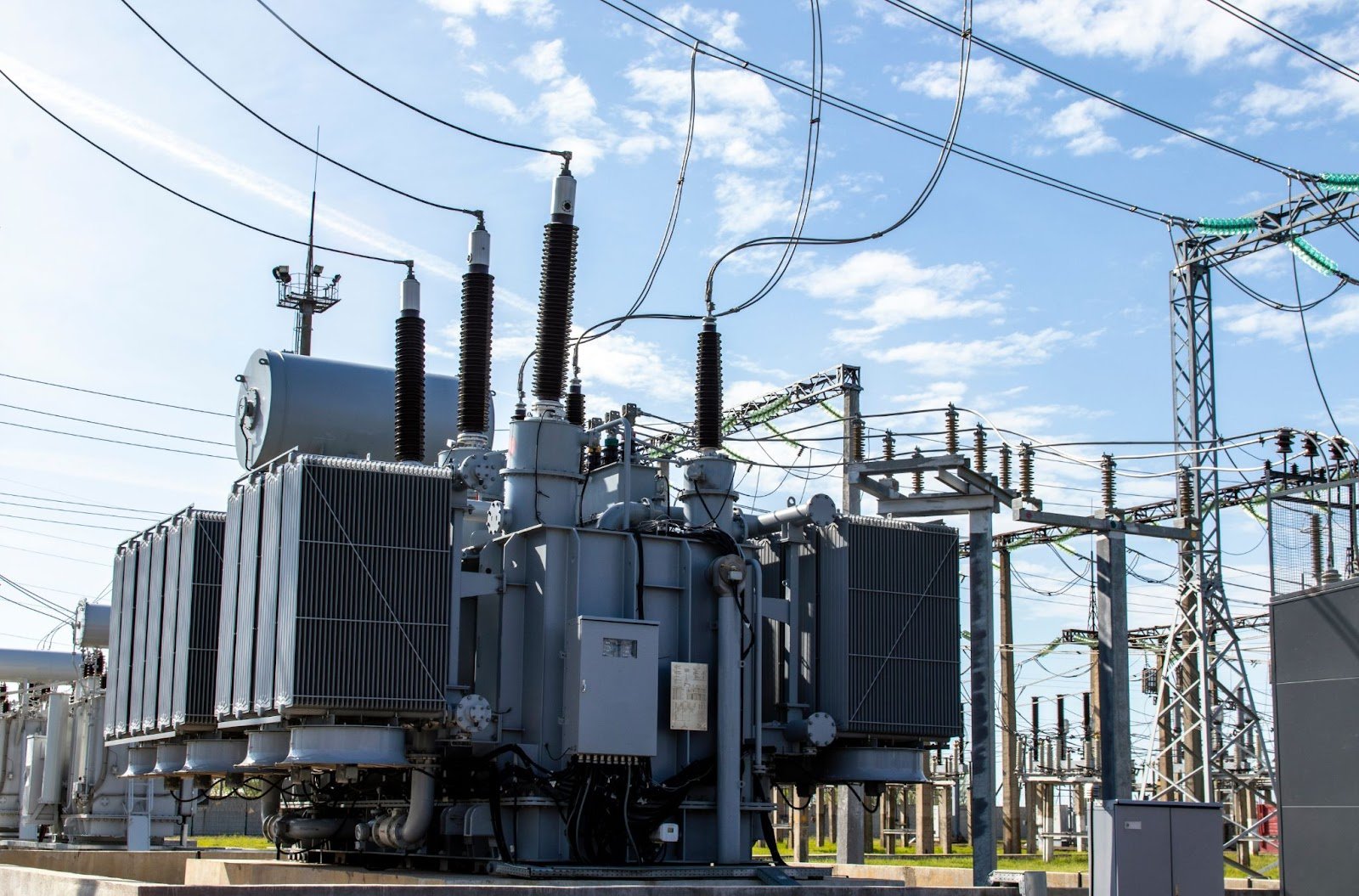
An on-site substation yard is often the first structure, followed by a shell for data halls. A modular data center can also suit a site where utility capacity arrives in stages, since modules can be added as power grows.
Supporting structures include generator and fuel yards, a security building and a central plant. We plan them so that the electrical equipment is protected and accessible, with room for maintenance trucks.
The choice among these depends on the owner's plan for growth. A site that expects to double its load wants the substation yard, the duct bank and the building pad sized for the final state, even if only half is built at first. A site with a single known tenant may be better served by a compact plan that is cheaper to complete. Either way, we draw the final-state plan first, so that the first phase does not block the next one.
The power side of the scope
Our scope covers every step between a parcel and an energized building. It includes the load letter, the utility study tracking, the substation or metering yard, duct banks to the building and the switchgear room. We coordinate with the owner's engineer on protection, metering and standby systems, and we make sure the drawings match the utility's requirements.
On the civil side, we plan grading, drainage and access roads. On the structural side, we compare tilt-up, precast and steel shells and select the system that suits the schedule and the load, with the slab thickness, joint layout and flatness set for the equipment the owner plans to install. Everything is built by licensed trade partners under our supervision, and we inspect each stage before the next one closes it from view.
We also prepare the permit set with the owner's engineers. The local building department reviews structural and life-safety drawings, and the utility reviews the electrical connection. Keeping the two sets consistent avoids contradictory comments late in the process, and it avoids redrawing sheets after the permit has been issued, which can set the project back by weeks.
Working with the utility and the county
We bring the utility, the city and the county together early and keep a written list of open items, with a name and a due date beside each one. Utility staff respond best to complete and consistent information, so we check our submittals for accuracy before we send them.
The same discipline applies to shell and core. Once the utility schedule is clear, the shell is timed to finish when the electrical rooms are needed, not months before or after. This saves the owner carrying costs and reduces the time equipment sits in storage.
Our reports to the owner are short and specific, and they go out on the same day each week: what changed this week, what is at risk and what decision we need. We find that owners respond better to a one-page status than to a long narrative.
Services that tie into the connection
Owners in Seminole often combine utility substation site work, electrical duct banks and service entrances and data center shell and core in one contract. A single contract lets us sequence trenching, pads and structure so that none of them waits on another, and it gives the owner one party to call when the utility changes a requirement.
Utilities and power developers sometimes build adjacent facilities, such as generation or storage, and we coordinate access and drainage between them. For comparison with nearby sites, owners can read about Shawnee, Ada and Norman.
Have a load target for Seminole?
Send the megawatts, the parcel and the date you want. We will outline the utility steps and the shell schedule that fits.
Common Questions
How long is a typical utility study?
It varies with the size of the load and the condition of the nearby grid. We ask the utility for a realistic range early and plan the project around it. A study can be followed by design, material procurement and construction by the utility, and each step has its own duration that we add to the owner's schedule.
Can the shell be built before power is ready?
Yes, if the owner accepts the risk. We usually advise phasing so that the shell advances while the study is under way and expensive electrical equipment is ordered once the connection is clear.
Are modular units a good fit for a first phase?
They can be. Modules arrive complete and can be added as power becomes available, but they still need foundations, utility connections and site work. We review the manufacturer's lead time, shipping dimensions and crane needs before recommending them.
Do public projects nearby affect the schedule?
They can compete for the same trade partners and inspectors. We check availability, book key trades early and keep alternates in mind. When several large jobs overlap, we may suggest a different sequence to avoid peak demand for electricians or concrete finishers.
Who handles the construction?
Licensed trade partners do the physical work, and we schedule, coordinate, supervise and inspect them.
Plan Your Oklahoma Data Center Project
Tell us about the site, the power and cooling plan and the schedule, and we will set up a review of scope, schedule, permits and inspections.
Request a Project Review