Data Center Construction in El Reno, Oklahoma
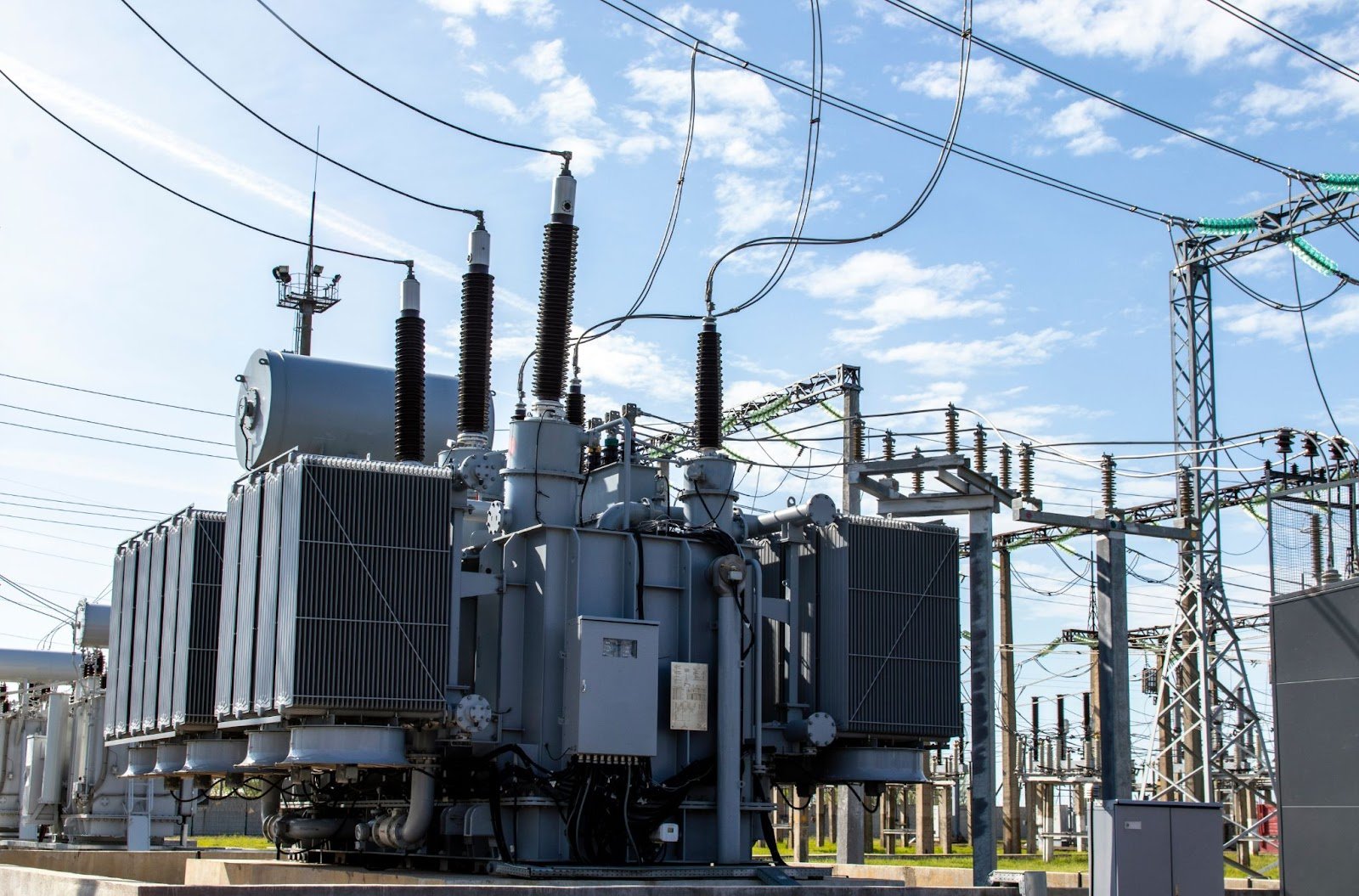
Switchgear, generators and chillers set the calendar for a data center, and our first job in El Reno is making sure those deliveries have a road, a pad and a receiving plan waiting for them. An owner who orders equipment many months ahead cannot afford a site that is still being graded when the first truck arrives. We plan shells, electrical buildings and mechanical yards around that rule.
El Reno lies at the Interstate 40 and U.S. Route 81 interchange in Canadian County, west of Oklahoma City, and Union Pacific counts the community among the places it serves by rail. For oversize loads that means a direct approach from the interstate system and, when a component is better moved by train than by trailer, a rail option to price against trucking.
Cooling is the second thing we study here. Chillers, cooling towers and pump stations need level, reinforced pads, a dependable water source and room for service access, so we confirm each of those with the utility and the county before an owner commits to a parcel.
Buildings that depend on the delivery schedule
A pair of building types in El Reno are driven almost entirely by equipment lead times. A generator and fuel yard cannot be finished until the engines, tanks and paralleling gear are on site, and a central utility plant waits on chillers, pumps and heat exchangers. We design the slabs, trenches and containment early so the structure is ready while the equipment is still being built.
Shell and core buildings follow the same logic. The roof structure and the crane path are planned so that large electrical gear can be set through a wall opening before the envelope is closed.
Industrial neighbors and what they tell an owner
The community already hosts large industrial buildings. Flogistix, based in Oklahoma City, built a plant in El Reno with 259,000 square feet of floor area for vapor recovery units and other compression equipment, adding over 150 jobs, as reported in August 2022. In August 2021, Love's Travel Stops was reported to have created roughly 50 jobs at its 220,000 square foot El Reno site, where tires are retreaded and goods are distributed.
For a data center owner, those plants show that heavy truck traffic, large steel buildings and industrial utility service are normal here. They also suggest a local labor and trades pool used to equipment-intensive work, which we draw on when we schedule trade partners.
Owners comparing this side of the metro with Yukon to the east, or with the south-side routes described on our Mustang page, should weigh haul distance for heavy components against land cost and available power. Colocation and wholesale operators who buy gear in bulk tend to care most about that comparison.
Sequencing a site around equipment arrival
We build the schedule backward from the long-lead items. Transformer and switchgear delivery dates fix the electrical building, which fixes the slab, which fixes the grading and the underground duct bank. Each date gets a float figure so the owner can see which delays matter and which do not.
On delivery day we need a staging area, a crane or rigging plan, a surveyed route and a person who can sign for the equipment and inspect it for damage. We arrange all of that in advance, with the haul route walked for overhead lines, culverts and turning radii.
Services that carry the delivery plan
Procurement tracking belongs to our long-lead equipment procurement work, where submittals, factory test dates and shipping windows go on one register. Access roads and receiving areas fall under truck courts and access roads, which we size for the heaviest single load rather than for daily traffic.
Cooling pads and piping tie into chiller and cooling plant pads, so the mechanical yard and the road that serves it are designed together.
Weather and heavy-lift safety on open ground
El Reno is a reminder that central Oklahoma storms are severe. On May 31, 2013, rural land near the community took a direct hit from a multiple-vortex tornado whose 2.6 mile width set a record. Its first rating was EF5; the revision, to EF3, came on August 30. We treat that as a planning input, not a footnote.
Our site safety plan sets wind limits for crane lifts, shelter locations for the workforce, and tie-down rules for stored materials and laydown. Roof and wall systems are specified for the owner's risk tolerance, and we discuss that with the design team early.
Working with the utility and the county first
Power and water decide the site, so we open conversations with the electric utility and the county before design. We ask for the service voltage, the substation capacity, the interconnection study timeline and the water availability, then write those answers into the schedule and the budget.
Where an airfield or industrial park is nearby, we also check height limits, lighting rules and noise expectations. El Reno Regional Airport, for example, has a 5,600 foot concrete runway and no control tower, which is worth knowing when a crane is on a nearby parcel.
What we coordinate on an El Reno project
We manage mass grading and drainage, the building pad, foundations and slabs, structural steel or precast, roofing, and the mechanical and electrical yards. Concrete, steel erection, electrical and mechanical work is performed by trade partners that we schedule, supervise and inspect.
The interface list is long, so we keep a single responsibility matrix covering who sets the transformer, who pulls cable, who tests the fuel system and who signs off the slab flatness. That matrix goes to the owner before the first pour.
Where the money moves on a receiving-heavy site
Budget swings on this kind of site come from reinforced pavement for heavy loads, the cost of a long power extension, storage and re-delivery fees if equipment arrives before the building is ready, and the choice between truck and rail for the biggest pieces.
We price those items separately so an owner can compare options, such as a larger staging pad now against a crane rental later.
Planning a site around long-lead gear?
Send the equipment list and the parcel. We will check the haul route, the pad loads and the utility timeline, then tell you what must be ready when each delivery arrives.
Common Questions
Can oversize electrical equipment reach an El Reno site easily?
The junction of I-40 and US 81 gives heavy loads a direct route toward the community. The last miles are the real question, so we survey the final road for weight limits, overhead lines and tight turns, and we schedule escorts and rigging before the equipment ships.
Is rail a realistic option for data center components?
It can be for the heaviest or bulkiest pieces. Union Pacific serves El Reno, and a rail park in the area has transload tracks. We price a rail move against trucking for each major item and include the extra handling and the final haul in the comparison.
How does severe weather change the design?
It changes the specification of the roof, doors, louvers and yard equipment, and it changes the safety plan during construction. We review the owner's resilience goals with the design team, and we publish wind limits for lifts before work begins.
What do you need from an owner to start planning deliveries?
An equipment list with quoted lead times, weights and dimensions, plus the target energization date. With those, we can build a receiving plan and tell you which site tasks must finish before each delivery.
Plan Your Oklahoma Data Center Project
Tell us about the site, the power and cooling plan and the schedule, and we will set up a review of scope, schedule, permits and inspections.
Request a Project Review