Data Center Construction in Hugo, Oklahoma
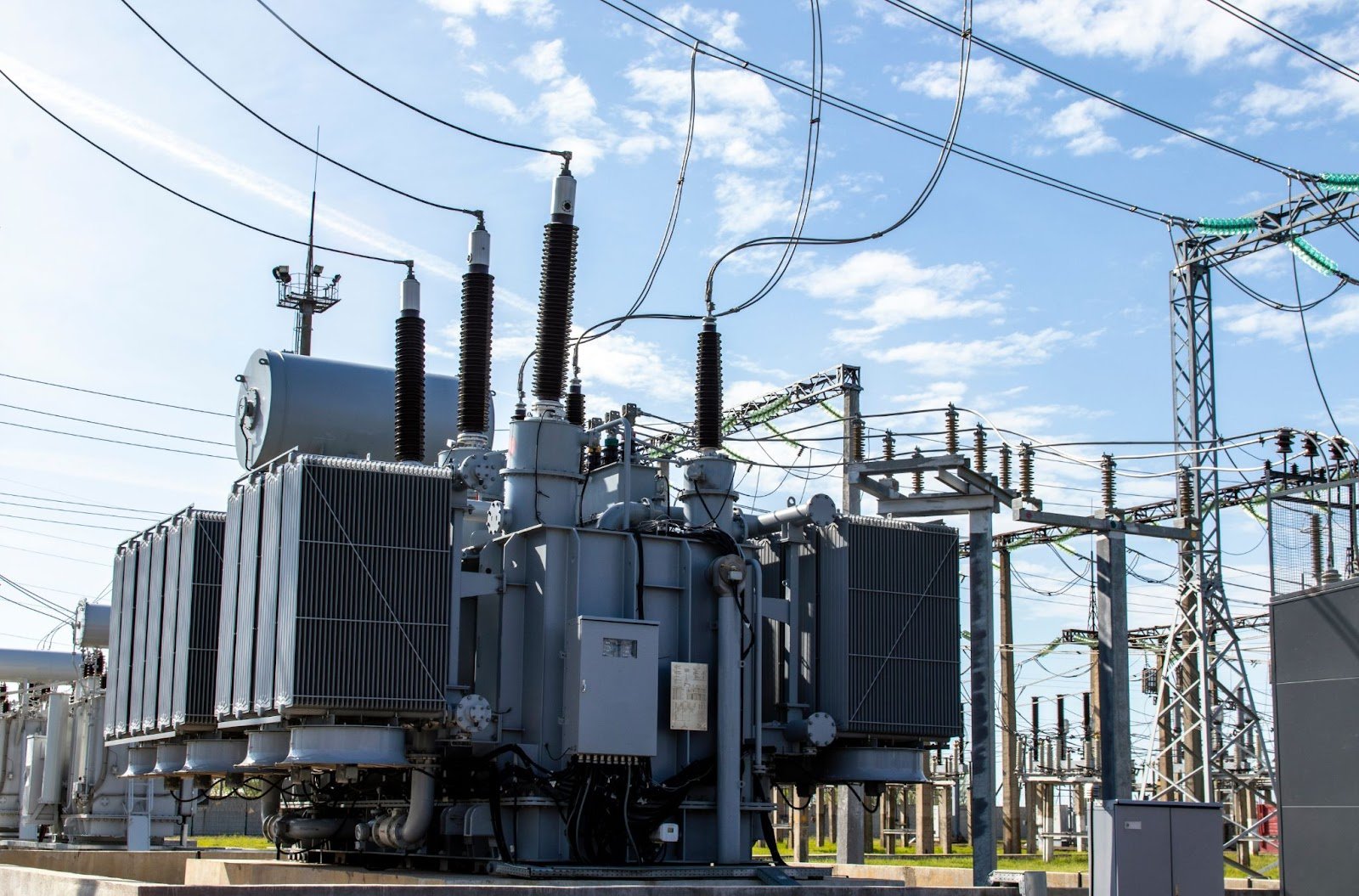
Long-lead equipment decides the calendar of a Hugo data center, and the delivery route decides whether that equipment arrives intact. A generator or a transformer can take many months to manufacture, then needs a permit, an escort and a crane on the day it reaches the site. We plan those moves from the first estimate, and Choctaw County gives us several transport options to work with.
The Indian Nation Turnpike ends at Hugo and carries four lanes for 105 miles toward Interstate 40 at Henryetta, while US-70 passes through the city running east and west. Stan Stamper Municipal Airport handles air ambulance flights and scheduled parcel cargo on one runway measuring 4,007 by 75 feet, which gives an owner an air option for urgent parts. The R.L. Howser Industrial Site adds 117 level acres with Kiamichi Railroad service on the property.
A builder who knows the roads, the rail and the runway can place orders with realistic dates and tell the owner when a delay is coming.
Planning deliveries before drawings are final
We begin with a delivery matrix: every major item, its weight, its dimensions, its manufacturer's lead time, its route and its required arrival date. The matrix informs the schedule and the budget, and it is updated weekly. When the manufacturer or the owner changes a specification, we know which dates shift.
Our role is to schedule, coordinate, supervise and inspect. Trade partners install the equipment, and we make sure that foundations, conduits and access roads are ready for it. The long-lead equipment procurement service describes how we manage submittals and orders.
Services that touch the delivery path
Heavy loads need a hard surface. Truck courts and access roads are designed for the wheel loads of transformers, chillers and generators, not only for daily traffic. Chiller and cooling plant pads are cast level and reinforced to carry operating weight and vibration.
Both items need to be complete before the equipment arrives, and we sequence them ahead of the building interior.
Cooling equipment on a mechanical yard also needs clear space for service, air flow and later replacement. We lay out the yard so that a future chiller can be rolled in without moving the ones already running, and we leave room for a crane to reach each pad.
Heavy lifts and oversize loads
A crane lift of switchgear or a generator is among the riskiest operations on the job. We require a written lift plan, a ground-bearing check, a clear exclusion zone and a qualified signal person. Weather limits are agreed in advance, and a lift is postponed if wind or lightning make it unsafe. Open Oklahoma ground exposes a crane to wind, so we check forecasts the day before and again on the morning of the lift.
Oversize loads on public roads follow state permit rules. We confirm routes, escorts and curfews with the carrier so that nothing is delivered at a time or by a path that was not approved.
Rail, air and highway in a small city
The Howser site lists 117 level acres with Kiamichi Railroad service on the property, a combination that suits a campus needing both bulk delivery and room to expand. Not every item will use rail, but steel, aggregate and some large components can. We evaluate it case by case, including the cost of unloading, storing and trucking the material the last few miles.
A site with rail and a main highway nearby also helps contractors, who can stage materials without crowding the building pad. Staging area is one of the first things we map, because a tight site slows every trade.
Owners also look at Durant and Ada for comparison, and we price the same delivery plan at each location.
Lakes, oxbows and water on the site
Hugo Lake on the Kiamichi River lies northeast of town, and Roebuck Lake, an oxbow of the former Red River channel, lies to the south. Water nearby means low ground, high water tables and floodplain rules on some parcels. For mechanical yards, it also raises questions about cooling water supply, discharge and the permits that go with them.
Our cooling water supply and reuse lines service evaluates the source, the pipe route and the treatment needed, and it recommends a closed-loop or low-water design where supply is uncertain.
Why delivery drives cost
An idle crane, a missed delivery window or storage fees for equipment that arrived early can all add large costs. So can an access road that is too weak for the load. We show these as line items in preconstruction and estimating and carry a contingency for them.
Escalation on electrical equipment is another driver. Where a manufacturer allows, we lock prices with a deposit and pay for delivery tracking.
Storage is a hidden item. Equipment that arrives before the building is ready needs a protected, level, secure place to wait, with power for space heaters where required. We price it and decide with the owner whether to delay shipment instead.
Owners who buy equipment early
Developers and power companies often reserve equipment before they have a final site. The utilities and power developers page explains how we align equipment orders with interconnection steps.
Colocation operators and enterprise owners do the same when markets are tight, and we help them time orders against site readiness. A buyer with a firm tenant commitment may order sooner, while one still negotiating may place deposits only on the longest items.
Permits for heavy equipment and yards
The building department reviews structure, fire protection and electrical systems, and the fire marshal reviews fuel storage and generator placement. Transport permits are separate and apply to the equipment's trip to the site.
We prepare both sets in parallel so that a permit does not hold up a delivery. The local department confirms its own review steps, and we meet them early.
Ordering equipment for a Choctaw County site?
Tell us the equipment list and the date you need power. We will build a delivery matrix, check routes and tell you where the schedule is at risk.
Common Questions
How far ahead should we order a generator or transformer?
As soon as the load and the rating are known, which is often before the building design is complete. We prepare a delivery matrix and place a deposit when the owner is ready, so the equipment is in the queue while the design continues.
Why does the airport matter to a data center builder?
Stan Stamper Municipal Airport takes scheduled cargo flights on its single runway, so small urgent parts can arrive by air. Large equipment still comes by truck, but the airport reduces risk for items that stop work if missing.
Is rail useful here?
It can be, especially for steel and aggregate. The R.L. Howser Industrial Site has rail on the property. We compare rail handling cost with trucking before relying on it.
What if water is scarce at the site?
We evaluate closed-loop cooling and reuse options that use far less water. A water supply study and utility letter come before final design.
Can the turnpike speed deliveries?
The turnpike runs from Hugo up to Interstate 40 at Henryetta, so oversize loads can use a four-lane route to the north. We confirm bridge and clearance limits before each move.
Plan Your Oklahoma Data Center Project
Tell us about the site, the power and cooling plan and the schedule, and we will set up a review of scope, schedule, permits and inspections.
Request a Project Review